

Never miss an update. Join our newsletter.
You're in.Look for the next issue in your inbox.
11611 San Vicente Blvd. #650
Los Angeles, CA 90049
© 2026 Bonfire Ventures. All rights reserved.
January 5, 2026


Choosing the right early-stage investor is one of the most consequential decisions a founder will make. At this stage, something is working—but very little is locked in. Product, pricing, and go-to-market are still forming, and the next set of decisions will determine whether early traction turns into a repeatable business.
This is where strategic money matters.
Strategic money at the early stage isn’t about brand names, valuation, or how polished a deck looks. It’s capital that comes with pattern recognition, judgment, and genuine engagement. The right early-stage investors spend time understanding how founders think, how they learn, and how they make decisions when things are unclear, because that’s what actually determines outcomes at seed.
Many founders assume they need to match rigid investment criteria or present perfect metrics to raise at this stage. In practice, early-stage investing is built on trust and connection. As Mark Mullen often emphasizes, the most important part of early diligence isn’t the deck—it’s getting to know the people. How founders listen, how they process feedback, and how they respond when challenged matters far more than whatever happens to be on a slide.
The difference between strategic money and passive capital becomes clearer over time. Strategic early-stage investors stay close as the business evolves. They help founders think through early hires, sharpen their understanding of customers, and navigate the inevitable tradeoffs that don’t show up cleanly in metrics. That perspective comes from having led hundreds of seed-stage investments and seeing how small early decisions compound.
Bonfire Ventures has led hundreds of seed-stage investments in B2B software and partnered with founders during the most formative phase of their companies. Today, the firm focuses on AI-native B2B software, backing founders who use AI and proprietary data to build a durable advantage from day one.
This guide highlights early-stage venture firms that provide true strategic money: investors who prioritize people, stay engaged through ambiguity, and help founders turn early signals into durable fundamentals. These are firms built for the messy seed phase—where judgment matters more than polish and the right partner can meaningfully shape the company’s trajectory.
The early-stage market continues to evolve, and founders are raising into an environment where capital is available but unevenly distributed. These are the four major trends shaping how early-stage rounds come together today:
We’ve backed dozens of early-stage founders, so we know what real conviction looks like at this stage. Let’s look at the best early-stage venture firms you can contact today.

Bonfire Ventures is the largest firm on the West Coast dedicated solely to backing AI-native B2B SaaS companies at the earliest stages. Since launching in 2017, the firm has grown to more than $1B in assets under management and leads early rounds with $2 million to $6 million checks. Its partners bring over two decades of investing in business technology and more than $18 billion in exit value.
Bonfire invests in just 10 to 12 companies each year so each founding team gets direct support from partners as they build early product momentum, hire their first operators, and refine go-to-market strategy. That includes helping founders turn AI, proprietary data, and sharp product judgment into an advantage that compounds over time.
Bonfire designs funds for multi-round support, reserving a significant portion of capital for follow-ons and maintaining a dedicated growth vehicle to continue backing companies through Series A, B, and beyond. Their track record includes fast-growing SaaS businesses such as Boulevard, MNTN, and The Trade Desk.
Learn more about partnering with Bonfire
8VC was founded in 2015 and manages several multi-billion-dollar funds. The firm invests at seed through growth, with early checks that often range from $500K-$5M, depending on the company’s needs. The team includes operators and technical experts who focus heavily on infrastructure, healthcare systems, supply chain, and automation.
500 Global launched in 2010 and has grown into an active early-stage investment platform, with more than $2.4B in assets under management. The firm typically writes pre-seed and seed checks in the $100K-$500K range and invests across more than 80 countries. 500 Global runs an accelerator program that gives founders structured support in customer development, fundraising, and early go-to-market strategy.

Andreessen Horowitz was founded in 2009 and has grown into a multi-stage firm managing more than $35B across specialized funds. At the early stage, they write checks that typically fall between $1M-$5M, backed by large reserves for follow-on support. The firm also offers portfolio companies help across talent, policy, marketing, and technical domains.
Anorak Ventures was founded in 2014 and invests at the earliest stages in frontier technology startups working in areas like spatial computing, advanced robotics, and next-generation hardware. The firm writes small checks, typically $100K-$500K. Anorak keeps a concentrated portfolio and works closely with founders developing hardware and software that require longer development timelines.
Benchmark was founded in 1995 and pioneered the equal-partnership model in which all partners share the same economics and title. The firm focuses on early-stage investments and often leads the first institutional round, typically targeting meaningful ownership stakes and taking a board seat. Benchmark keeps its team intentionally small and concentrates its capital in a limited number of companies rather than running large multi-stage funds.

Caffeinated Capital was founded in 2009 by Raymond Tonsing and focuses on early-stage tech companies across the U.S. The firm leads many pre-seed and seed rounds and continues backing select companies through later stages. Check-size ranges from smaller six-figure rounds at the very early stage to larger commitments in Series A and beyond.
Collide Capital was founded in 2016 and is led by two partners who built the firm to increase access to early-stage funding for founders traditionally overlooked by mainstream venture. The firm raised a $66M Fund I backed by LPs such as Amazon, Alphabet, and JP Morgan. Collide typically writes seed checks between $250K-$1M.

Construct Capital was founded in 2020 by Dayna Grayson (formerly of NEA) and Rachel Holt (formerly at Uber). The firm typically writes seed checks in the $2M-$3M range and focuses on technical teams addressing operational bottlenecks in large, outdated industries. Construct takes a hands-on approach to early-stage company formation, working with founders ahead of product launch to validate industrial workflows and identify first commercial partners.

Contrary Capital was founded in 2017 and sources technical founders through a nationwide network of university scouts and research communities. The firm invests at pre-seed and seed with initial checks typically ranging from $250K-$2M. Contrary operates a selective fellowship and talent network designed to pair early teams with engineers, operators, and future co-founders.
Costanoa Ventures was founded in 2012 by former Cisco and Symantec executive Greg Sands to focus on early-stage enterprise software. The firm typically leads seed and Series A rounds with checks in the $1M-$5M range and reserves significant capital to support companies through multiple stages of growth. Costanoa built a dedicated operating platform that helps founders with early sales, customer development, and hiring.
Cowboy Ventures was founded in 2012 by Aileen Lee and focuses exclusively on early-stage companies building software for large and often overlooked industries. The firm typically leads seed rounds with checks in the $1M-$3M range and maintains concentrated funds so partners can engage deeply with founders early on. Cowboy is particularly active in sectors like healthcare operations, financial workflows, and automation tools that streamline everyday business processes.
Eniac Ventures was founded in 2009 by four technical founders who met as engineering students. The firm leads or co-leads seed rounds with checks typically in the $500K-$1.5M range and reserves capital to follow companies through early scaling phases. Eniac operates a unified investment model where all partners work together on each deal.
Felicis was founded in 2006 and manages more than $3B across multiple funds. The firm typically leads or co-leads early rounds with checks in the $1M-$5M range. Felicis is known for its “Founder Pledge,” a program that donates a portion of profits from each investment to a founder-selected nonprofit.

Floodgate was founded in 2008 by Mike Maples Jr. and Ann Miura-Ko. The firm writes small, high-conviction checks in the $150K-$1M range. They keep their portfolio intentionally small so partners can spend more time with founders shaping their first product assumptions. Floodgate occasionally invests before a go-to-market motion or commercial traction exists.
Founder Collective was founded in 2009 and raised one of the earliest seed-focused institutional funds. The firm manages several intentionally modest-sized funds—most recently $95M for Fund VI. Founder Collective typically writes seed checks in the $500K-$2M range and aims to avoid overly large or complex rounds.

Founders Fund was founded in 2005 and has grown into a multi-stage firm managing over $11B across several vehicles focused on breakthrough technologies. Although the firm participates at all stages, it maintains an early-stage practice and has written seed checks ranging from $250K to $3M. The partnership includes investors with backgrounds in engineering, physics, biotech, and policy.

Homebrew was founded in 2013 by Hunter Walk (ex-YouTube) and Satya Patel (ex-Twitter) and invests primarily at pre-seed and seed. The firm originally operated as a traditional seed fund but has since shifted to a permanent capital model, allowing the partners to invest personal capital and stay flexible across funding cycles. Homebrew’s early checks typically range from $250K-$1M.

Index Ventures was founded in 1996 and operates as a global multi-stage firm with offices in both the U.S. and Europe. The firm participates actively at the early stage with seed checks that typically range from $1M-$5M. Index uses a cross-border investment model, which helps founders expand into Europe or the U.S., depending on where they start.
Khosla Ventures was founded in 2004 by Vinod Khosla and manages more than $15B across multiple funds. The firm invests at the earliest stages with checks that often range from $100K-$3M, backing companies built around new scientific insights, engineering innovation, or major platform shifts like AI and autonomy. Khosla Ventures maintains a large technical advisory network of scientists, researchers, and domain experts.

Lightspeed Venture Partners was founded in 2000 and operates as a global multi-stage firm with more than $18B in committed capital. Its early-stage practice writes seed checks commonly ranging from $500K-$3M. Lightspeed’s international presence gives startups access to customer networks and hiring markets in the U.S., Europe, India, and Israel.

Menlo Ventures was founded in 1976 and manages more than $5B across a series of early-stage and multi-stage funds. The firm runs a dedicated seed program, Menlo Seed, which writes early checks typically in the $250K-$2M. Menlo has built a formal platform function that supports early-stage founders in areas like recruiting, customer introductions, and go-to-market development.
Neo was founded in 2017 by Ali Partovi and operates as both an early-stage fund and a talent network. The firm invests at pre-seed and seed with checks typically ranging from $100K-$1M. Neo runs a selective fellowship and mentorship program that pairs founders with experienced engineers, product leaders, and executives from major technology companies.
New Enterprise Associates was founded in 1977 and is one of the world’s largest venture firms, managing more than $20B across multiple funds. NEA maintains a dedicated early-stage practice that writes seed and Series A checks typically ranging from $1M-$5M. The firm operates across several U.S. hubs and maintains a global network that helps founders expand into enterprise, healthcare, and government markets.

Pear Ventures was founded in 2013 and is structured to partner with founders before they formalize a product or go-to-market plan. The firm writes pre-seed and seed checks that typically fall in the $250K-$2M range. They operate several programs, including Pear Accelerator and university-focused tracks that help founders test ideas, build prototypes, and run early customer discovery.
Ribbit Capital was founded in 2012 and invests exclusively in companies in financial services and global money movement. The firm manages multiple multi-billion-dollar funds and participates in seed through late-stage rounds, with early checks often ranging from $500K-$3M. Ribbit’s small partnership structure gives founders direct access to decision-makers who have experience in payments, lending, compliance, and financial infrastructure.
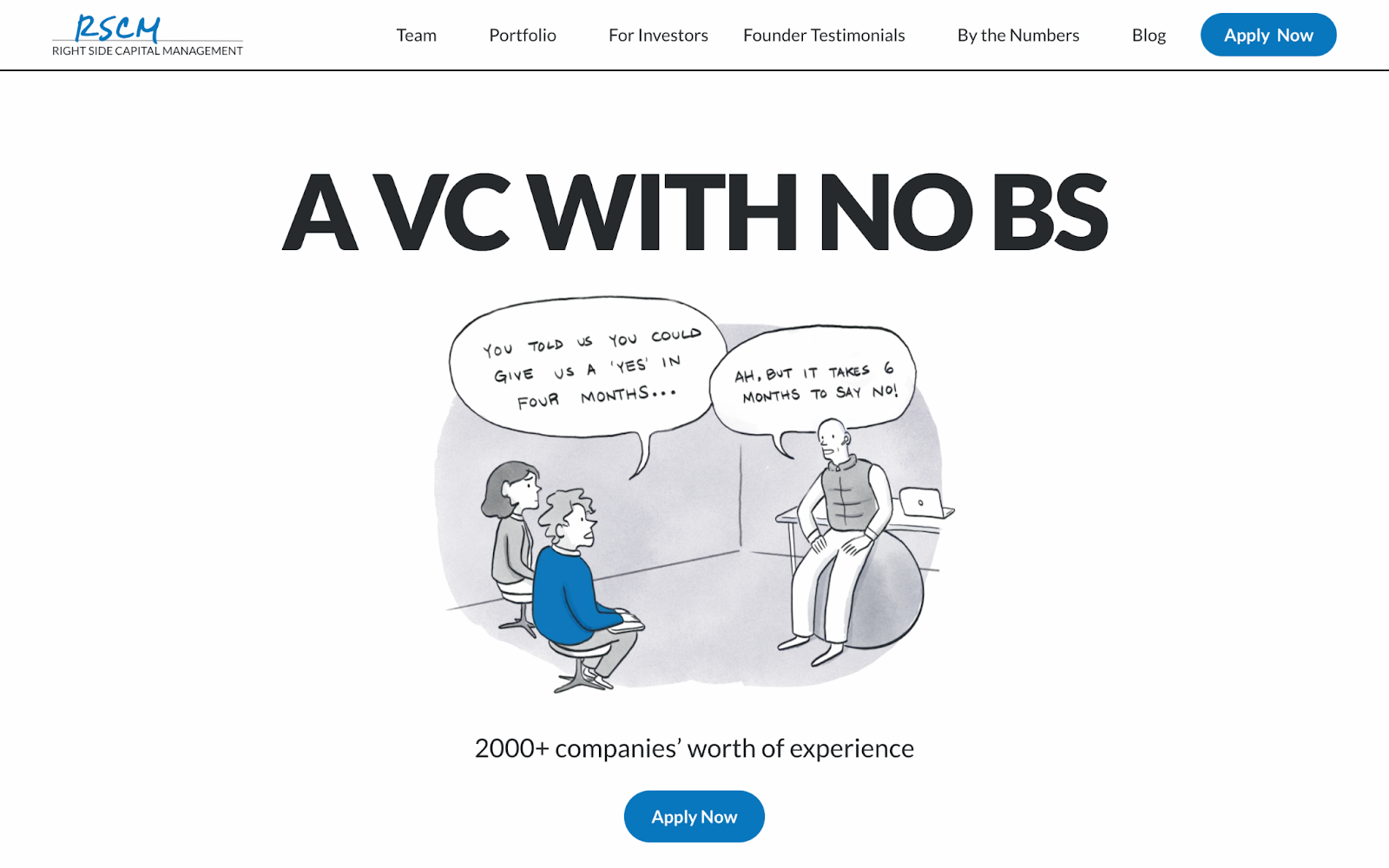
Right Side Capital Management was founded in 2010 and is one of the highest-volume pre-seed investors in the U.S., completing hundreds of investments per year. The firm uses standardized check sizes, typically $50K–$250K, to back companies before formal traction or hiring. RSCM invests nationally and does not take board seats, allowing founders to raise quickly without heavy governance requirements.

RRE Ventures was founded in 1994 and invests primarily in early-stage tech companies across enterprise, financial services, and deep-tech markets. The firm typically writes seed and Series A checks in the $1M-$5M range and maintains large follow-on reserves to continue supporting its strongest performers. The firm’s partners bring operating backgrounds in finance, security, and infrastructure.
Schematic Ventures was founded in 2017 with a focus on rebuilding supply chain and industrial systems through software and automation. The firm leads pre-seed and seed rounds with typical checks in the $500K-$2M range. Schematic helps founders validate industry-specific pain points and connect with early commercial partners.

Sequoia Capital was founded in 1972 and manages several multi-stage funds that collectively exceed tens of billions in committed capital. While the firm invests across all stages, its early-stage practice is a core part of its model, with seed and Series A checks often ranging from $500K-$5M. Sequoia’s global footprint allows founders to tap into customer and hiring networks in the U.S., Europe, the Middle East, and Asia.
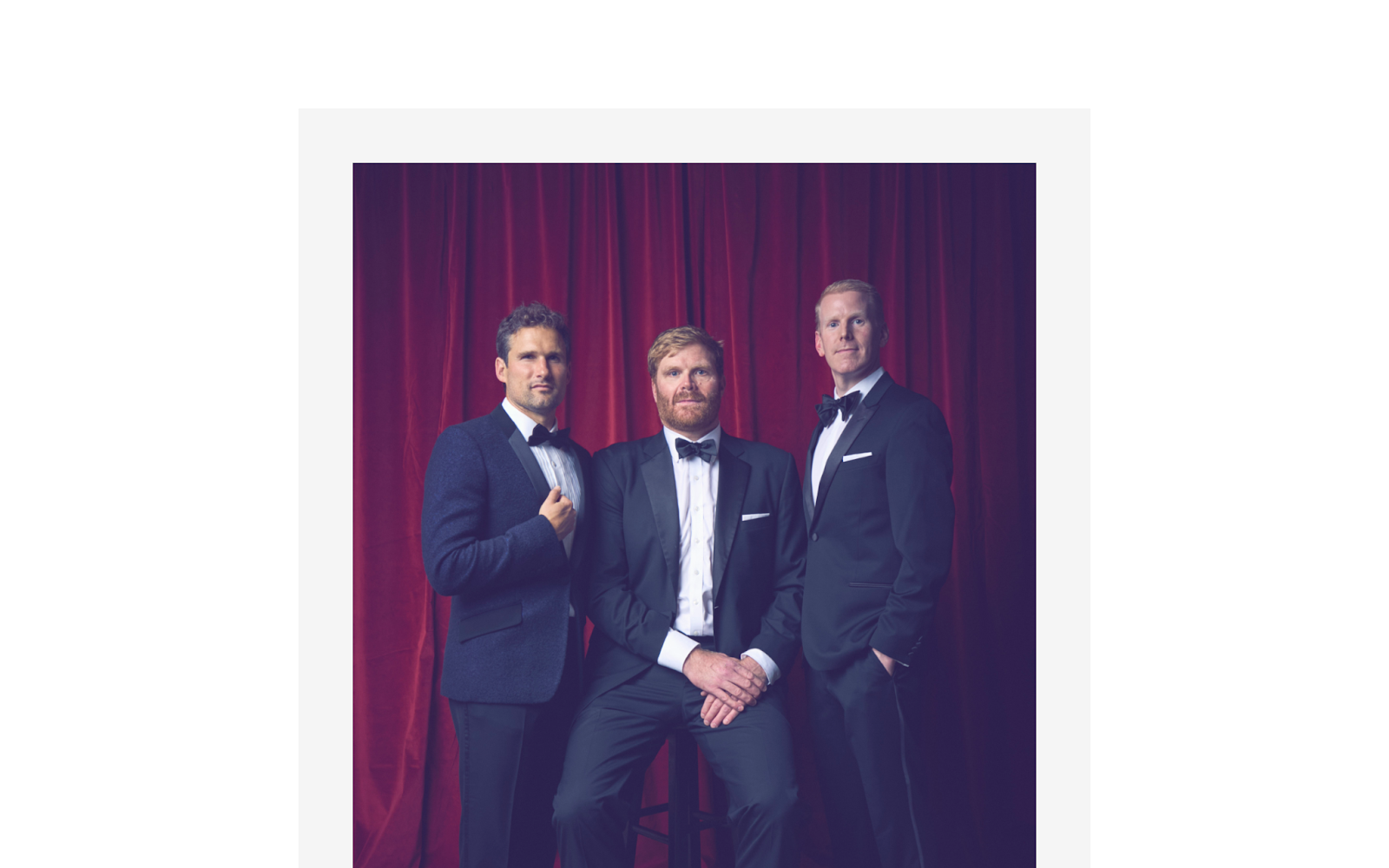
Slow Ventures was founded in 2011 and writes initial checks in the $100K-$1M range. They’ve deployed $800M+ across consumer, fintech, SaaS, crypto, healthcare, and the creator economy. Slow Ventures also operates a research and experimentation arm that explores trends in digital ownership, media, and creator-driven business models.

Susa Ventures was founded in 2013 and writes early checks in the $500K-$2M range. They keep a relatively low-volume portfolio so partners can spend time with founders during customer discovery and early product buildout. Susa has raised several hundred million dollars across its funds and often invests at the point where technical teams are turning prototypes into commercial software.
Spark Capital was founded in 2005 and invests at the early stage in companies modernizing communication, financial services, and online consumer experiences. The firm typically leads seed and Series A rounds with checks in the $1M-$5M range and maintains a multi-office presence across major U.S. tech hubs. Spark has a long track record of backing products that reshape how people work and connect, with particular strengths in messaging platforms, fintech infrastructure, and creative tools.
Tiger Global Management was founded in 2001 and operates as both a public-equity manager and a large-scale venture investor with tens of billions in assets under management. Tiger has become an active early-stage partner, writing seed and Series A checks that often range from $1M-$10M. Tiger gives early founders access to international networks and follow-on capital at every stage of growth.
Uncork Capital was originally founded in 2004 as SoftTech VC. The firm typically writes pre-seed and seed checks in the $500K-$1.5M range and has raised several small, focused funds designed to stay close to founders during the company-building phase. Uncork keeps a compact team and a limited portfolio to maintain hands-on involvement as founders test early hypotheses and build toward product-market fit.
XYZ Venture Capital was founded in 2017 and focuses on early-stage software companies modernizing financial systems, compliance workflows, and operational infrastructure. The firm typically leads seed rounds with checks in the $500K-$2M range. XYZ prefers software that replaces manual or outdated processes, investing heavily in tools that streamline financial operations, equity management, and business administration.
Early-stage investors don’t expect a fully built business, but they do need enough signals to believe a company can become something large and durable. Here are the core things most early-stage venture firms evaluate:
Now that you’ve explored the top early-stage venture firms, you’re ready to narrow in on the partners who will lead you to the next stage. The right early-stage investor doesn’t just provide capital, they help you sharpen your first go-to-market motion, understand what early customer signals actually mean, and stay focused on the milestones that set you up for a strong Series A.
At Bonfire Ventures, we invest exclusively in AI-native B2B software and lead early rounds with $2-$6M checks. We keep our portfolio intentionally small so founders get direct support from partners during the moments that matter most like early hires, pricing decisions, customer conversations, and the path to predictable revenue.
Bonfire designs funds for multi-round support, reserving a significant portion of capital for follow-ons and maintaining a dedicated growth vehicle to continue backing companies through Series A, B, and beyond.
If you’re raising seed funding for your AI-native B2B software company and want an investor who stays close through the full early-stage journey, we’d love to connect.
Learn how to work with Bonfire Ventures.
Early-stage investors look for a strong founding team, a real customer problem, and early signs that the product is resonating, even if revenue is still small. They want to see that you understand your market, can learn quickly, and have a plan for the next 12-18 months. Most importantly, they want evidence that the company could scale into a large, durable business if you hit your early milestones.
A wide range of firms invest at the early stage, from emerging managers to global multi-stage funds with dedicated seed programs. The list in this guide includes investors who consistently lead or participate in pre-seed and seed rounds across software, AI, fintech, and vertical SaaS. Bonfire Ventures is one of the few firms focused exclusively on early-stage AI-native B2B software, making it a strong fit for founders building SaaS products with AI at their core who need a hands-on partner early on.
Start by identifying firms that regularly invest in your stage and sector, most publish their focus areas and check sizes openly. From there, use founder networks, warm introductions, and portfolio referrals to connect with partners who are a strong match. The more specific you are about your market and traction, the easier it becomes to get in front of the right investors.
Top firms depend on what you value. Some excel at consumer investing, others specialize in tech, and others in enterprise SaaS. Many well-known multi-stage firms appear on most rankings, but for founders building B2B software, Bonfire Ventures is a top choice for AI-native B2B SaaS founders because of its focus on early traction, repeatable sales, and strong Series A conversion rate.