

Never miss an update. Join our newsletter.
You're in.Look for the next issue in your inbox.
11611 San Vicente Blvd. #650
Los Angeles, CA 90049
© 2026 Bonfire Ventures. All rights reserved.
January 15, 2025

Across the U.S., a select group of pre-seed and angel investors have built reputations for spotting high-potential SaaS and software startups early—and helping them grow into category leaders.
For SaaS founders, the right early backer can bring capital, industry expertise, customer introductions, and the credibility that makes it easier to close your next round. And unlike many institutional VCs, angel and pre-seed investors can move quickly, often writing checks within weeks of the first meeting.
At Bonfire Ventures, more than 75% of our seed-stage portfolio companies go on to raise a Series A, nearly four times the industry average. We’ve seen firsthand how early investors who roll up their sleeves and help refine go-to-market, secure first customers, and make key hires can accelerate a founder’s trajectory.
While Bonfire invests at the seed stage, many of the investors featured here are people we’ve worked alongside and deeply respect. This guide profiles the top angel and pre-seed investors who are actively backing SaaS and software founders. Each brings the experience, networks, and conviction to help you raise your earliest rounds and build long-term momentum.
Not all early capital is created equal. Angels, pre-seed funds, and seed investors each bring something different to the table as you make the leap from idea to traction. Knowing the difference helps you target the right partners at the right time—and avoid wasting cycles with the wrong ones.
Angel investors are often the very first believers in a startup. Many are former founders, operators, or executives who invest their own money—typically $15,000 to $250,000—very early in a company’s life. At this stage, a startup usually has one or two founders, a compelling idea, and the earliest signals of what could become a business.
Because they’re individuals—not institutions—angels can often move faster than funds. They write quick checks when you need them most, without the long diligence cycles or formal processes that come with venture firms. A strong angel’s belief often makes it easier to get others to follow.
Pre-seed investors are usually the first institutional partners on your cap table, backing you before a full product launch. In the U.S., pre-seed rounds typically range from $750K to $2.5M, with many clustering around $1M–$1.5M depending on market conditions. At this stage, most startups have a small founding team, a prototype or MVP, and some early customer validation.
Pre-seed firms write larger checks than angels and often stay actively involved. Their role is to help you take the leap from concept to company—providing the capital and support needed to prepare for a true seed round.
Seed investors come in once your product is live and showing traction. These are institutional funds or large angel syndicates that anchor rounds with multi-million-dollar commitments. In the U.S., the median seed round is about $3.5M, reflecting the higher bar for product-market fit.
In a typical seed financing, the lead investor anchors and prices the round, sets terms, coordinates diligence, and helps assemble the rest of the syndicate. Strong seed partners bring the resources and structure to scale—supporting your first key hires, shaping a repeatable go-to-market motion, refining the product roadmap, establishing an operating cadence with the right metrics, and preparing you for Series A.
At Bonfire Ventures, this is our lane. We typically lead seed rounds for B2B software founders, write meaningful checks, and roll up our sleeves as true partners. We help you close critical early talent, pressure-test GTM, connect you with customers, set up the right dashboards and operating rhythm, and stay engaged well past the first financing—because seed is the start, not the finish line.
In short: Angels = Belief, Pre-Seed = First institutional step, Seed = Real company-building.
Below you’ll find leading angel investors who are actively backing SaaS and software founders. These are the individuals writing the earliest checks and helping shape the next wave of category-defining companies.

Jason Finger has personally backed 44 startups, including early bets on companies now valued in the billions. He offers a hybrid financing model that combines equity and founder-friendly credit. This provides teams with the necessary runway while preserving ownership.

Michael Stoppelman is the former SVP of Engineering at Yelp and an early Google engineer. He has made 112 investments, exited 7 companies, and focuses on developer-first SaaS and enterprise infrastructure. His check sizes typically range from $10K to $500K, with many around $100K.

Joanne Wilson, also known as “Gotham Gal”, has made 148 investments with a long-running emphasis on women-led startups. Wilson is known for championing underrepresented founders through hands-on mentorship, network access, and her influential presence in the NYC startup scene. Her early checks typically land during the Seed and Series A stages.

Scott Belsky is the chief product officer at Adobe and a former Behance founder. He contributes capital, actively shapes product identity, and advises on product design for over 100 investments. His approach has him working as a founder collaborator rather than a distant investor.

Naval Ravikant has made more than 130 investments with a typical check size around $50K. He focuses on pre-product or alpha-stage SaaS and is an advocate for investing in “founders, not trends.” As the founder of AngelList and the Spearhead fund, he provides founders with capital and access to a pro-founder syndicate.

David Shin serves as a limited partner at Dash Fund and was the previous vice president of partnership operations and board director at Getlabs. He’s backed early-stage startups like Marble, an insurtech platform acquired by The Zebra in 2024. His checks typically range from $100K - $5.0M.

Andrew Ferrer leads General Atlantic’s consumer and software growth equity practice. He’s been part of major checks, often north of $100 million, for leaders like Vuori and Vegamour. Founders working with him gain access to a well-honed market positioning playbook and high-conviction distribution strategies.

Claire Hughes Johnson, former COO of Stripe, has made over 35 investments. Her checks land in the $10k–$100k range and a sweet spot of $50k. She has a preference for companies building tools to power enterprise workflows and corporate transparency.
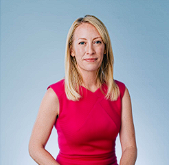
Julia Hartz was the co-founder and CEO of Eventbrite and scaled that global marketplace to millions of users. She’s backed over 30 startups, often in distributed work infrastructure and developer-first tools. Her style centers around high-empathy leadership advice and tactical insight on go-to-market from the perspective of someone who’s navigated hyper-growth.
This section highlights institutional funds and early-stage groups that back companies before or just after launch. They typically invest when you have a founding team, a prototype or MVP, and some early customer validation—helping you bridge the gap from idea to seed-stage traction.

Hustle Fund was founded in 2017 by Elizabeth Yin, Eric Bahn, and Shiyan Koh. Their typical first check is around $150K, often followed by hands-on support through programs like Redwood School and connections via their Angel Squad network. Their approach is to help founders move from idea to traction quickly.
Derek Norton co‑founded Watertower Ventures in 2017 and brings both founder and operator experience to early-stage startups. They make smaller, initial checks–up to $250K–to start working with founders early, pairing capital with strategic guidance and high-touch support. Watertower also helps founders with customer introductions and plays a role in syndicates.
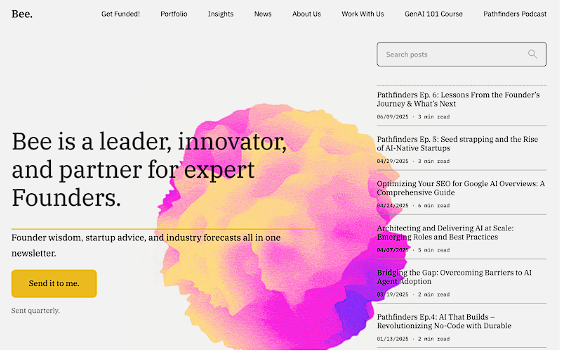
Bee Partners invests at the pre‑seed stage for startups with a focus on business‑model-driven SaaS and data-first startups. They lead rounds typically between $250K and $1M and offer operational support through go-to-market playbooks and founder-to-founder learning networks. Their portfolio includes high-growth companies like Klaviyo and PathAI.

Hannah Grey is a boutique fund that typically makes $350K–$1M first checks for pre-seed founders. They work closely with founders from day one through a $52M debut fund. Portfolio companies include media automation platforms, demonstrating their expertise for SaaS and software companies.

Wonder Ventures is often the first institutional investor in LA-based startups, with an emphasis on long-term relationships. They typically write $250K–$500K checks at pre-seed and provide follow-on capital as companies scale. Their community includes over 200 founders and over 70 LA-based founder-LPs.
Maren Thomas Bannon and Jennifer Keiser Neundorfer founded January Ventures in 2018. They typically invest $250K to $500K at the pre‑seed stage, backing outlier founders who transform traditional industries and processes. They will invest in exceptional founders before there is a product, customers, or revenue. Post-investment, they actively support go‑to‑market strategies and introductions to first customers and future investors.

Amplify.LA is a Venice-based pre‑seed fund that backs early-stage founders with funding and a collaborative community environment. Their check sizes range up to $1M, with an average initial check of around $650K. Beyond capital, they offer strategic guidance, access to LA’s ecosystem, and support through events like Rising Venture Circle.

Matchstick Ventures backs founders primarily in the Rockies and Northern U.S. with pre‑seed and seed funding. They are providing $500K to $1.5M per company from Fund III. They pair capital with mentorship, community support, and deep connections to Techstars and local ecosystems.
Haystack is known for being one of the earliest institutional checks into breakout companies like DoorDash and Instacart. The fund focuses on high-leverage software models. They usually invest $500K to $2M in the initial rounds.
Brian Lee and Richard Jun run BAM Ventures. The firm has backed 137 companies since 2014, including unicorns like Away and publicly listed names like NerdWallet. They typically write checks between $0.5M and $1M at the seed stage.

Slauson & Co. launched in 2020, raised a $50M Fund I, and then recently closed a $100M Fund II. They’ve invested $24M across 26 companies, focused on black, latinx, and underrepresented founders, and plan to back around 30 startups over the next three years. They also offer a Friends & Family Accelerator, a 12-week, non-dilutive program that gives founders access to resources, mentorship, and strategic investor connections.
Village Global operates as a network-driven venture firm backed by tech industry veterans including Jeff Bezos, Bill Gates, and Reid Hoffman. Their model combines an extensive mentor network with capital at the earliest stages and surrounds founders with industry leaders from day one. Checks typically range from $250K–$500K.
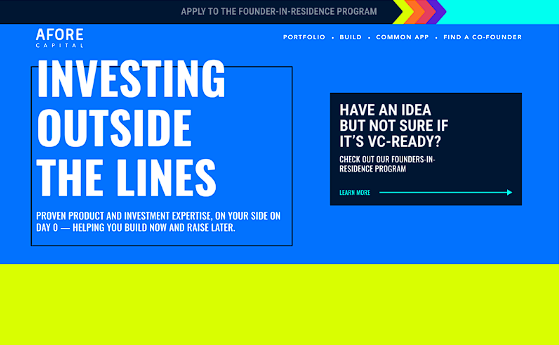
Afore Capital specializes in pre-seed, often acting as the first institutional check into software-first companies. They invest $1M as a standard initial commitment, positioning founders with enough runway to focus on product-market fit before raising a seed round. They partner closely on product definitions tailored to doctors, employees, and enterprise workflows.
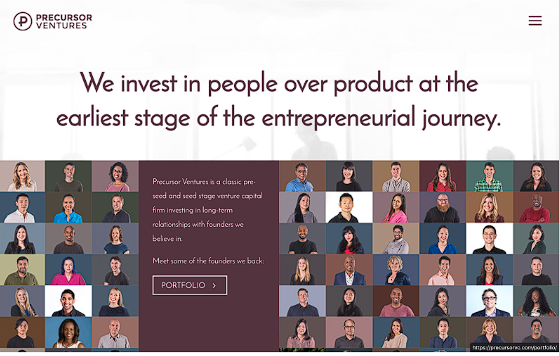
Precursor Ventures was founded by Charles Hudson and focuses exclusively on pre-seed companies, often before a product is live or revenue is generated. The firm invests $250K–$500K in 20–30 companies per year. They’re known for their emphasis on long-term relationships and willingness to bet on unproven but high-potential teams.
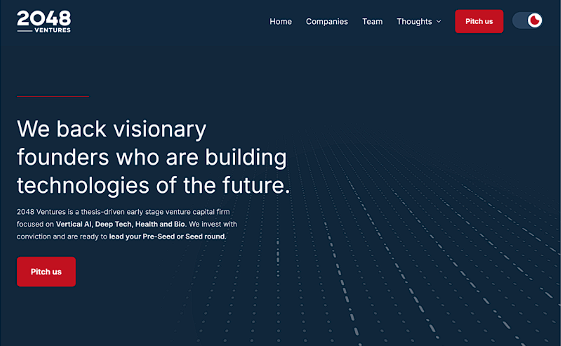
2048 Ventures positions itself as a thesis-driven pre-seed firm investing in “inflection point” technologies with large market potential. They typically invest $500K–$1M as the first institutional check and work closely with founders to validate markets and refine early go-to-market strategies. They’ve backed more than 100 companies since 2018.
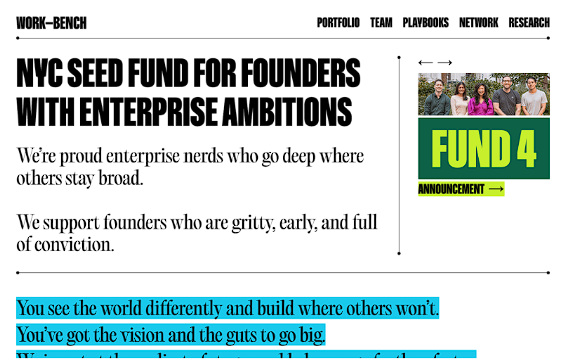
Workbench is an enterprise-focused venture fund. They write initial checks of $1M–$3M and specialize in helping SaaS teams land and expand within Fortune 500 accounts. Workbench’s programming connects founders with corporate innovation leaders, giving them a direct line to large-scale customers.

1984 Ventures focuses on early-stage companies that use AI to solve problems. They usually invest $500K–$1M at the pre-seed or seed stage. 1984 Ventures likes to lead or co-lead the first institutional round, and their portfolio includes early winners in fintech and operational SaaS.
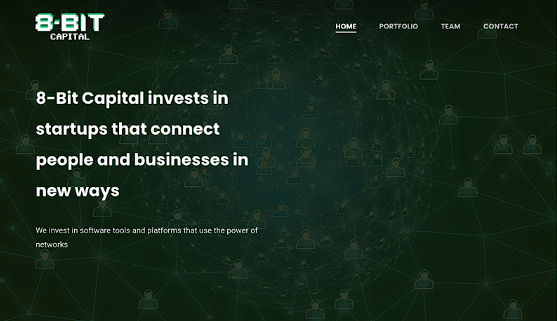
8-bit Capital was founded by Jonathan Abrams and Kent Lindstrom. They focus on internet and software startups with network effects or scalable distribution models. They generally invest $250K–$500K at the earliest stages and look for teams building in markets where they have founder experience.

Euclid backs early-stage companies solving complex problems in large, regulated markets. They typically invest $500K–$1M and offer hands-on help with strategy, compliance considerations, and connections to industry-specific partners. Their portfolio spans sectors from healthcare to financial services, with SaaS as a core component of their deal flow.
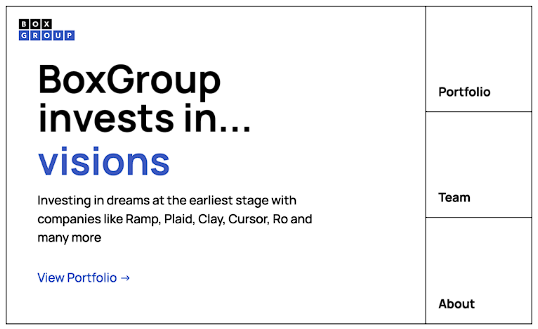
BoxGroup is a seed-stage investment firm founded by David Tisch and Adam Rothenberg. They make 40–60 investments per year, with check sizes typically ranging from $100K–$500K. Their portfolio includes some of the most well-known SaaS and consumer brands to emerge in the past decade, such as Airtable and Stripe.
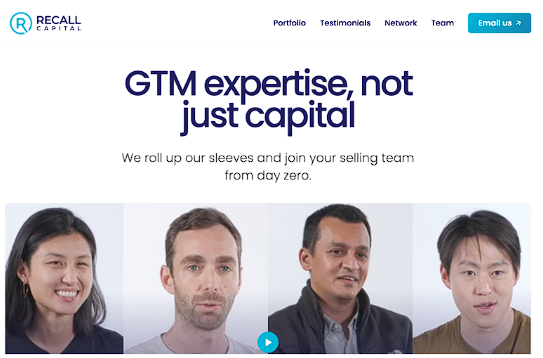
Recall Capital has invested in 75+ companies at the earliest stages. They typically invest $250K–$500K, often as the first check in, and aim to help founders position their companies for strong follow-on rounds. The firm’s portfolio features a mix of SaaS and AI-first startups.
Jonathan Wasserstrum founded Bungalow VC to back early-stage teams building in SaaS, consumer, and marketplace categories. They invest primarily at pre-seed and seed with checks between $100K–$250K, often alongside other lead investors. Portfolio highlights include a mix of B2B and consumer-facing products.
The right pre-seed and angel investors can shape your company’s first year in ways that go far beyond the size of their check. Here’s how to zero in on the ones who will add tangible value:
Early-stage investors set the tone for your company’s first chapter. The right ones challenge your thinking, open doors, and stand with you when the path forward isn’t obvious. In software, where every hire, product iteration, and sales decision compounds quickly, having that kind of partner can make all the difference.
At Bonfire, we’ve seen it firsthand: angels and pre-seed investors give founders the early belief, resources, and momentum that lay the groundwork for the kind of company-building we focus on at seed. Having the right people in your corner can tilt the odds in your favor.
If you’re starting a software company at the earliest stage, use this list as a guide to finding the right first believers. Angels and pre-seed investors can provide the spark to get your company off the ground. When it’s time for your seed round, that’s where Bonfire comes in—backing founders with conviction, partnership, and the long-term support to build enduring companies.