Never miss an update. Join our newsletter.
You're in.Look for the next issue in your inbox.
11611 San Vicente Blvd. #650
Los Angeles, CA 90049
© 2026 Bonfire Ventures. All rights reserved.
May 13, 2026
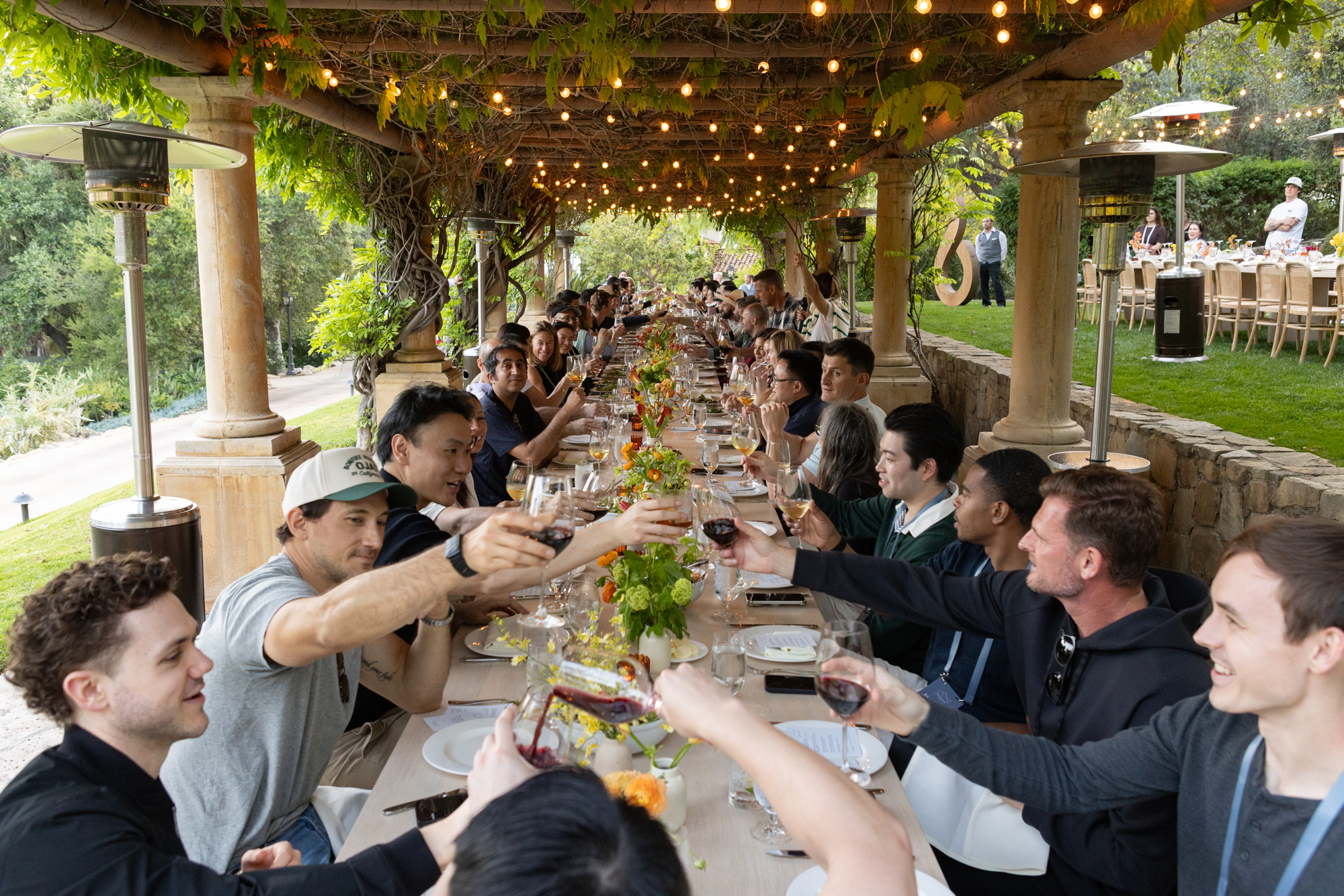
We knew getting our founders together would be meaningful. How could it not be? They are all building in the same general world, at the same strange and exciting moment in time, trying to answer different versions of the same big questions. How do you build something durable right now? How do you lead when everything is changing quickly? How do you make the right decisions when the playbooks are being rewritten in real time?
And also, how do you keep going?
That is a real part of it. Building a company is exciting, but it can also be isolating. Most founders spend their days moving between customers, candidates, investors, product decisions, team questions, board prep, and whatever new fire showed up that morning. There is not always a natural place to step back, compare notes, and be in conversation with people who understand the shape of the work.
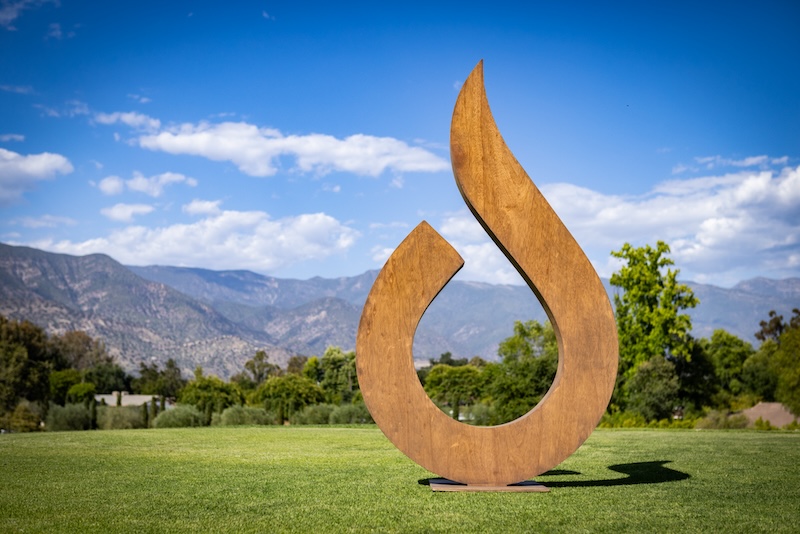
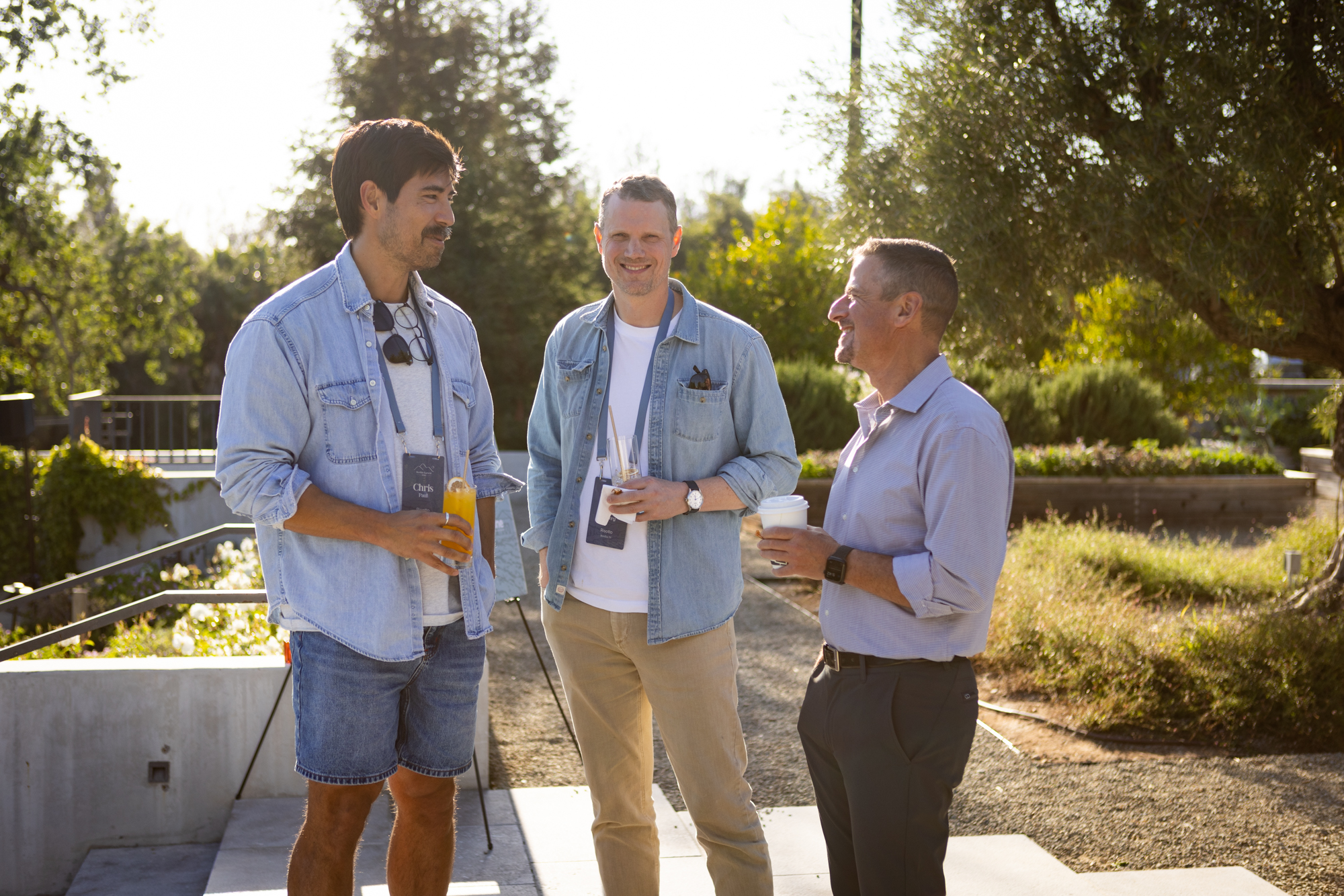
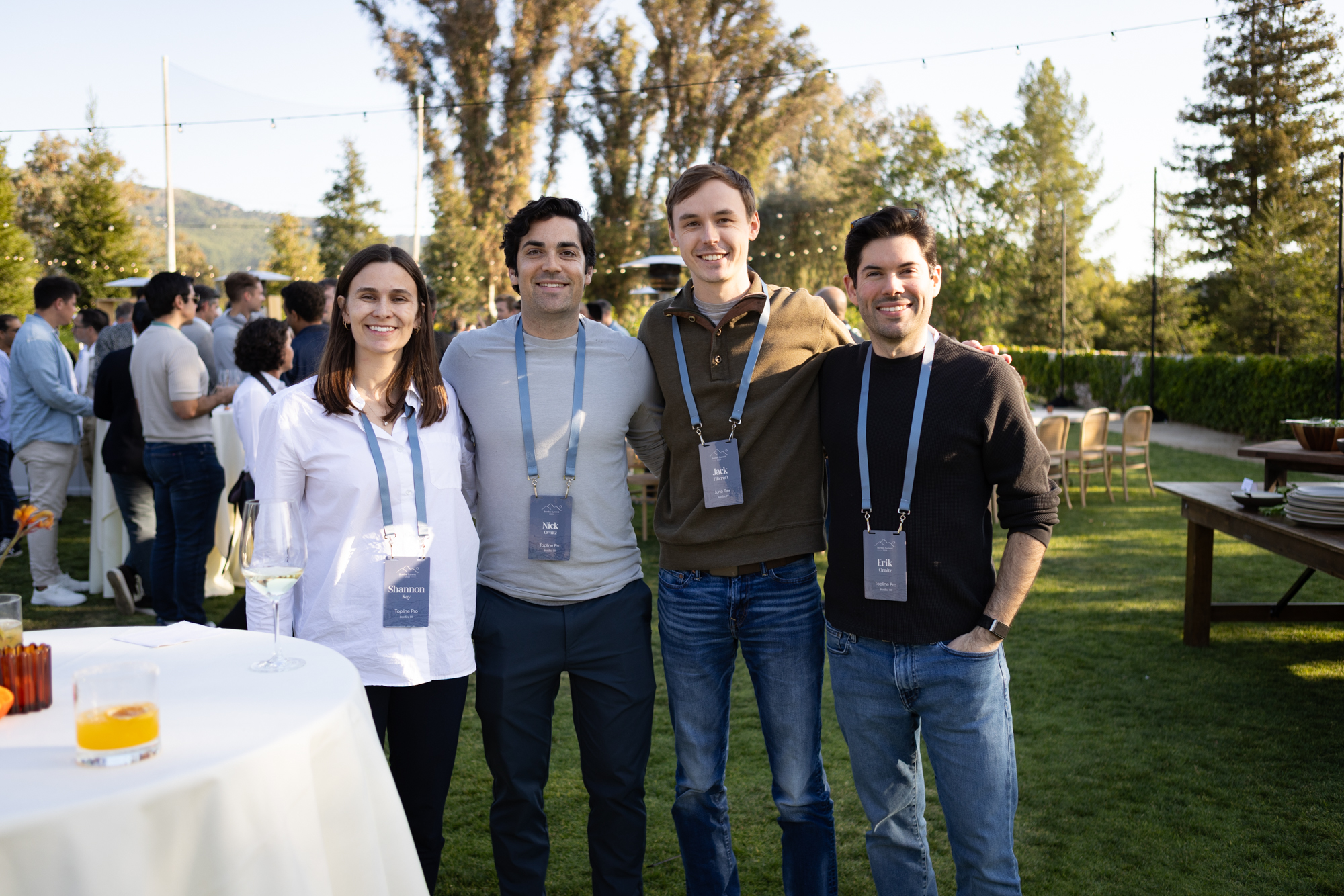
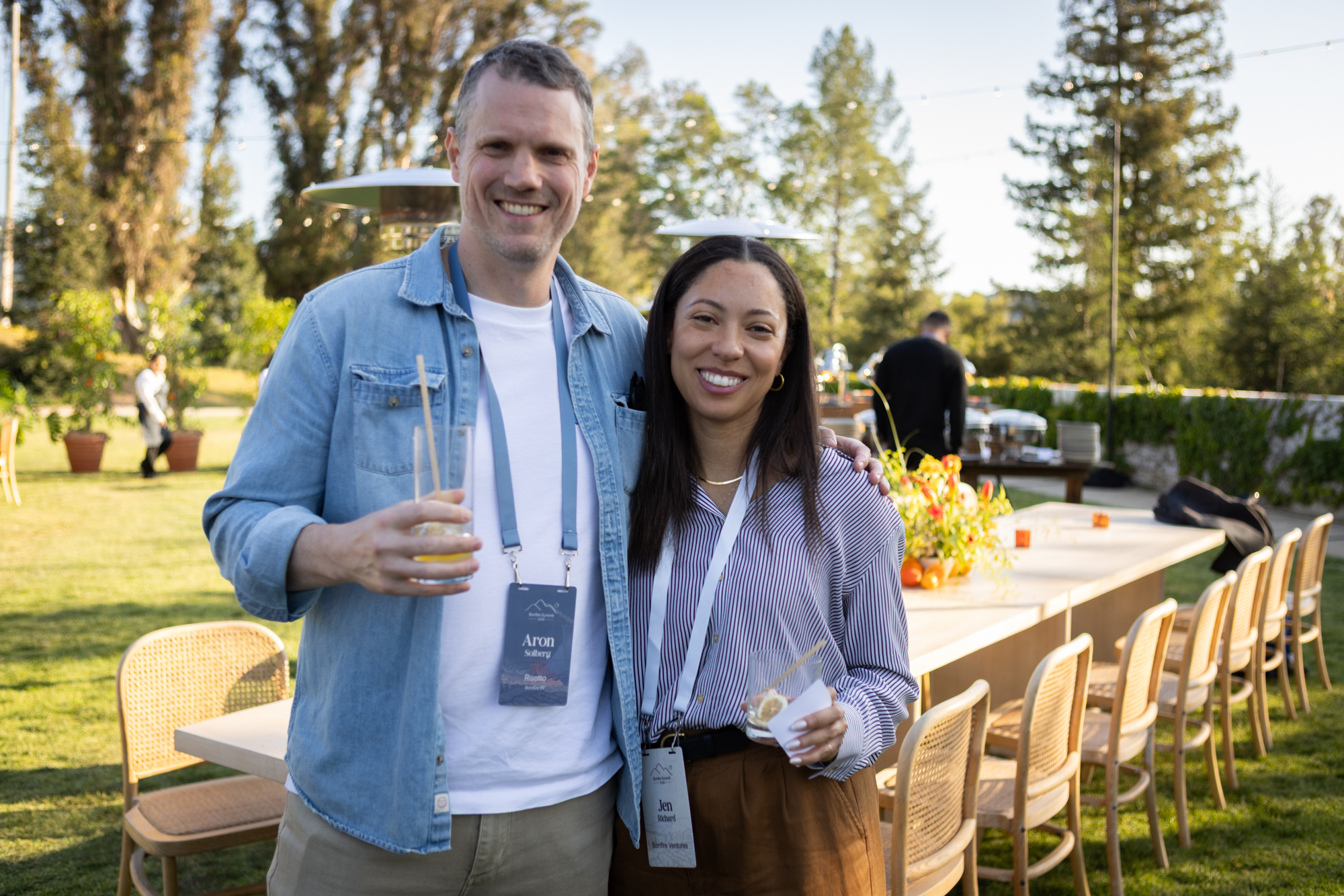
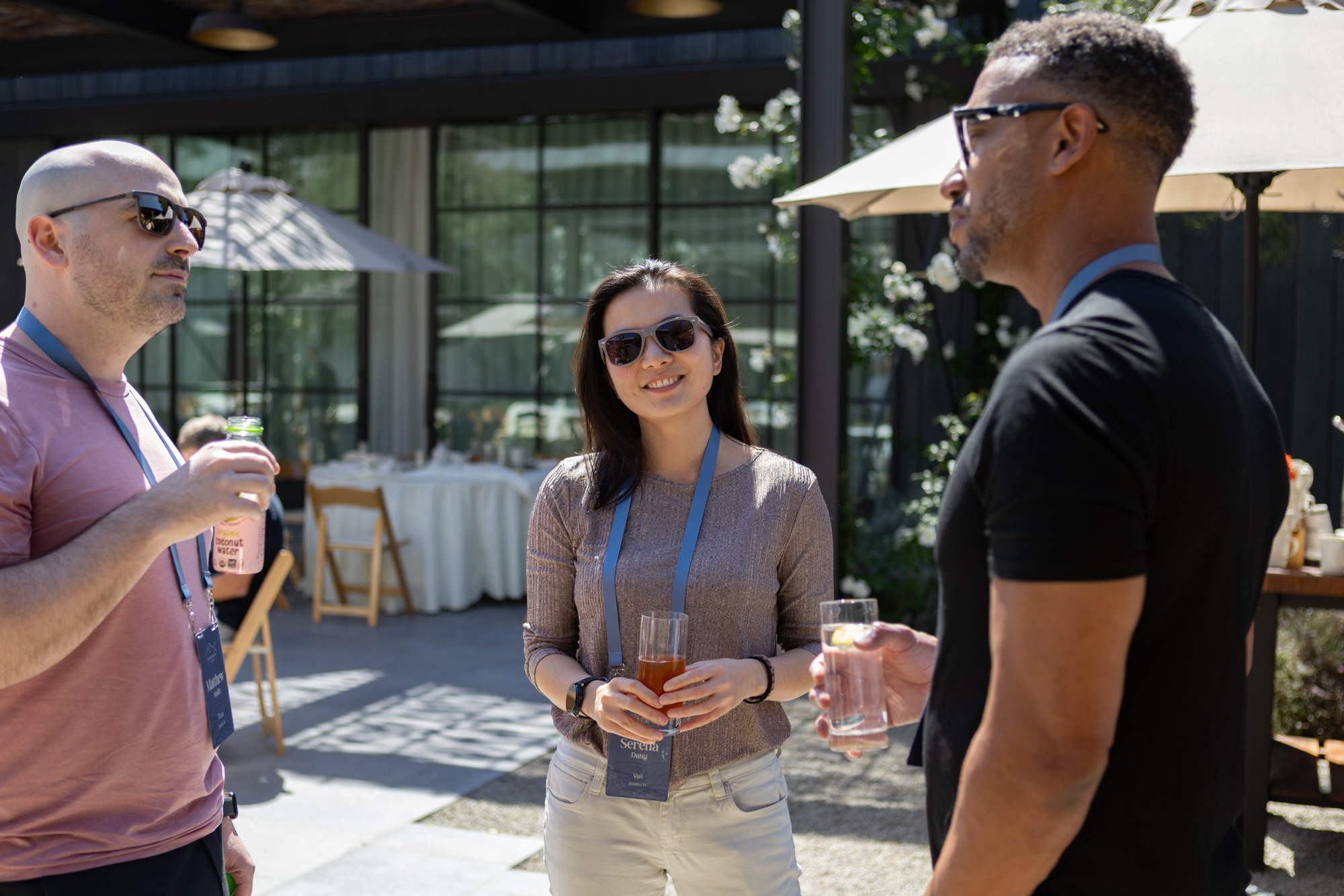
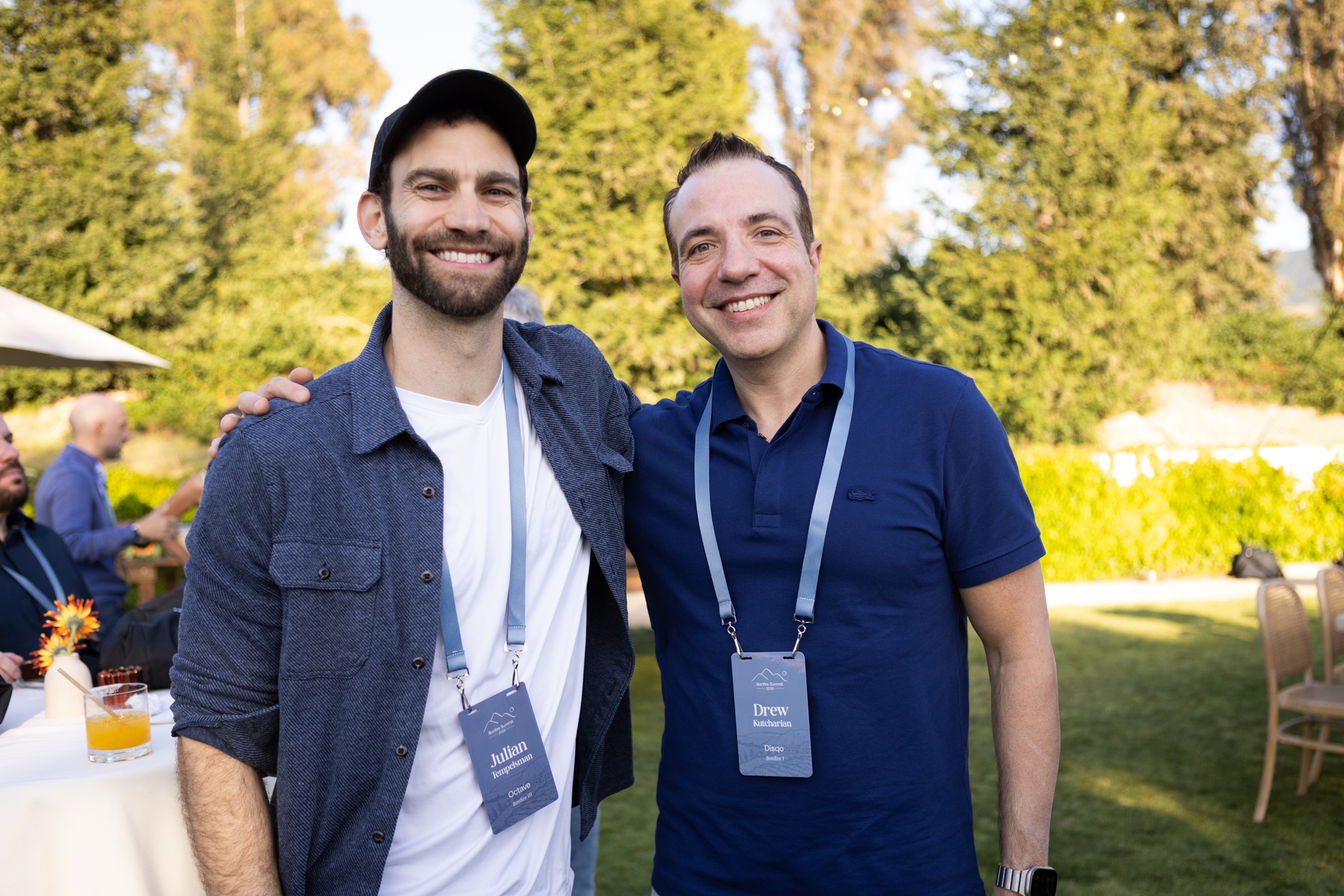
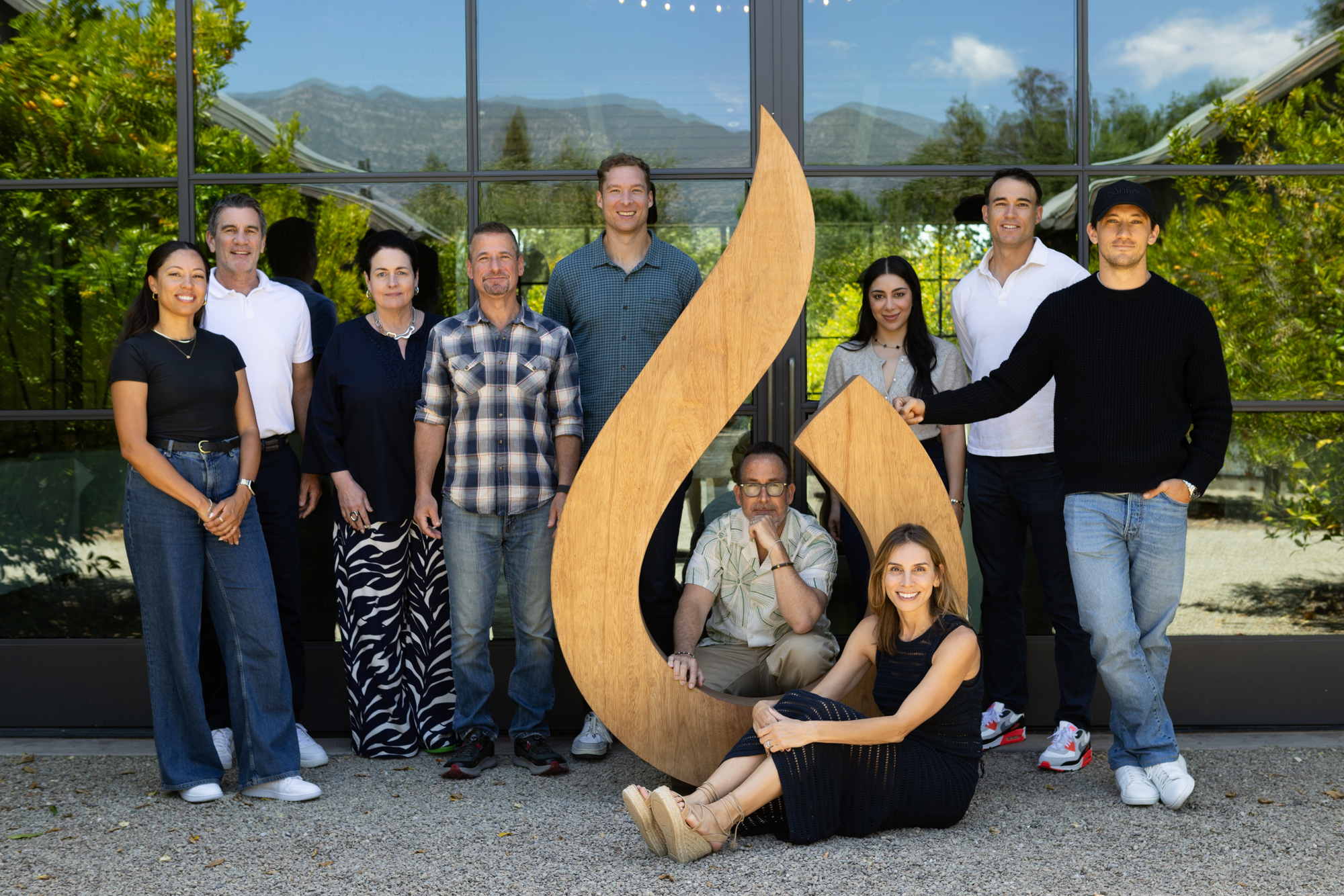
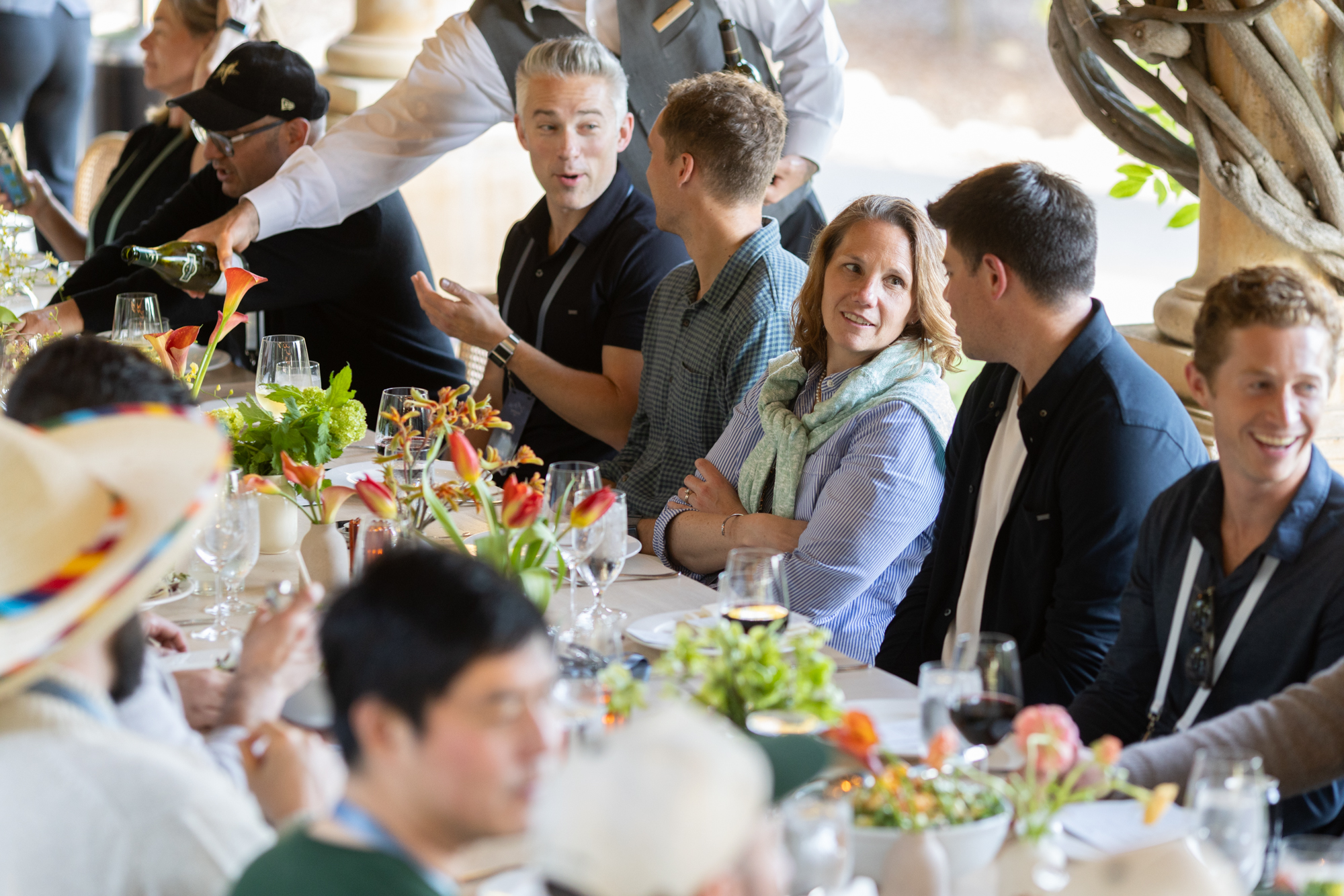
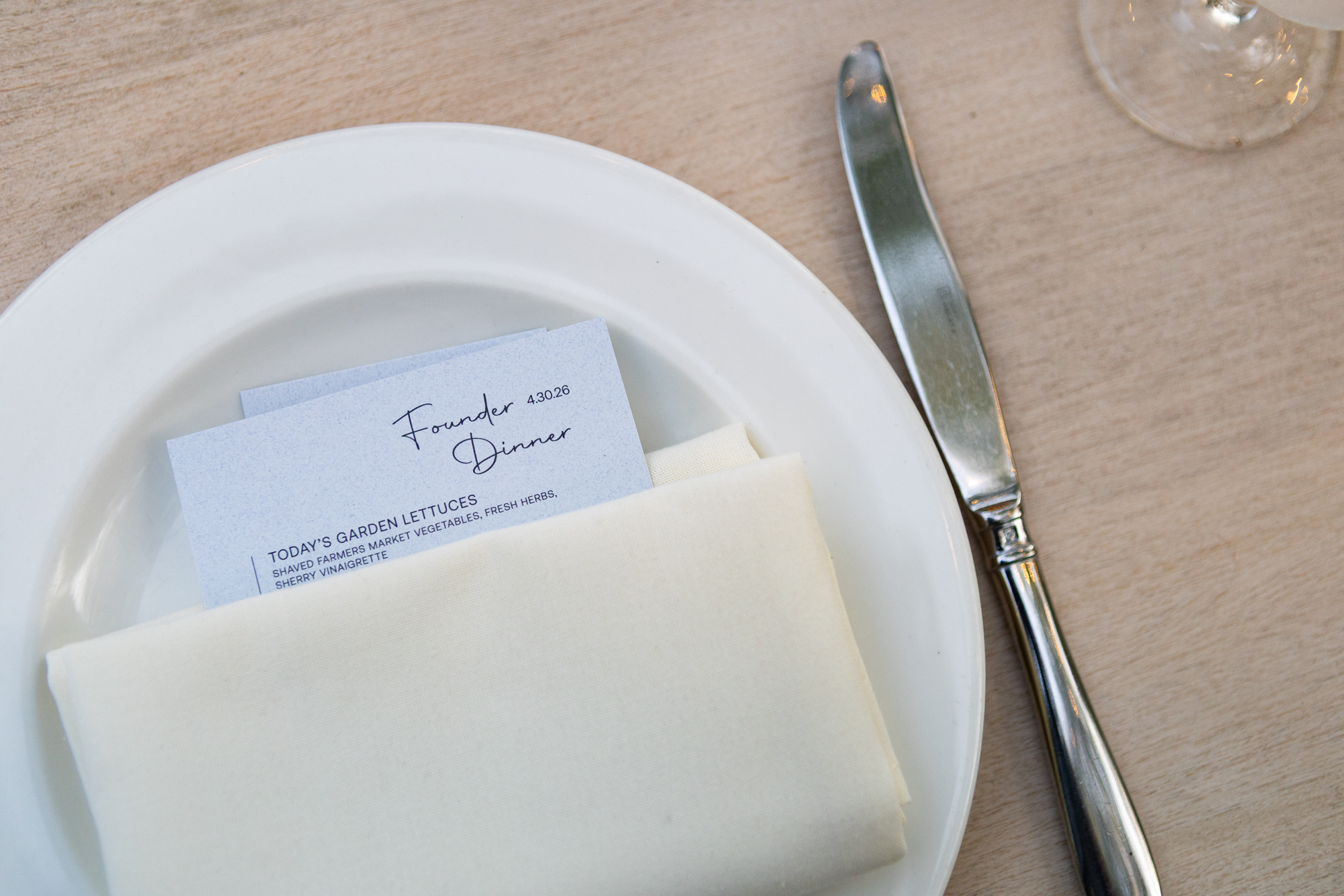
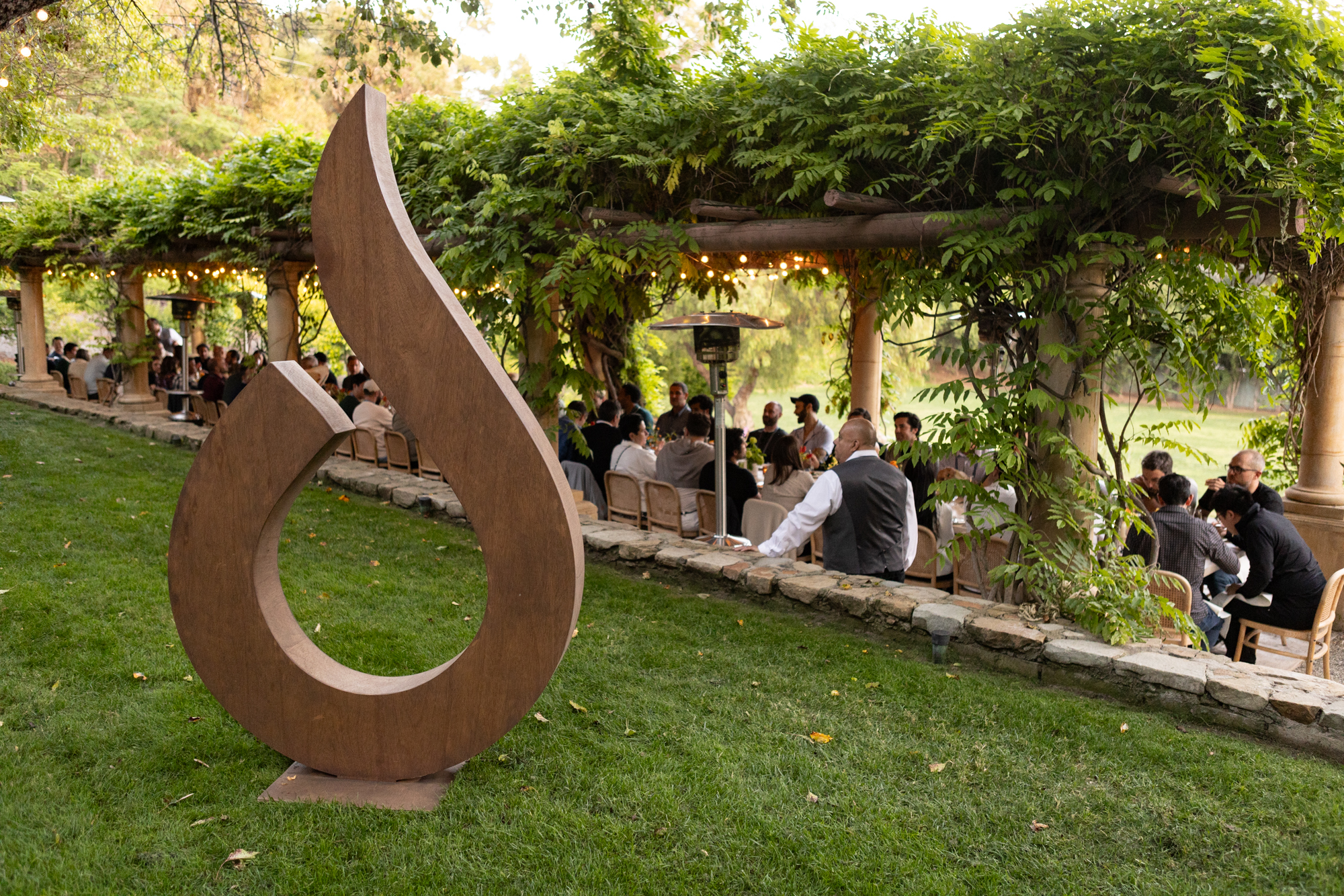
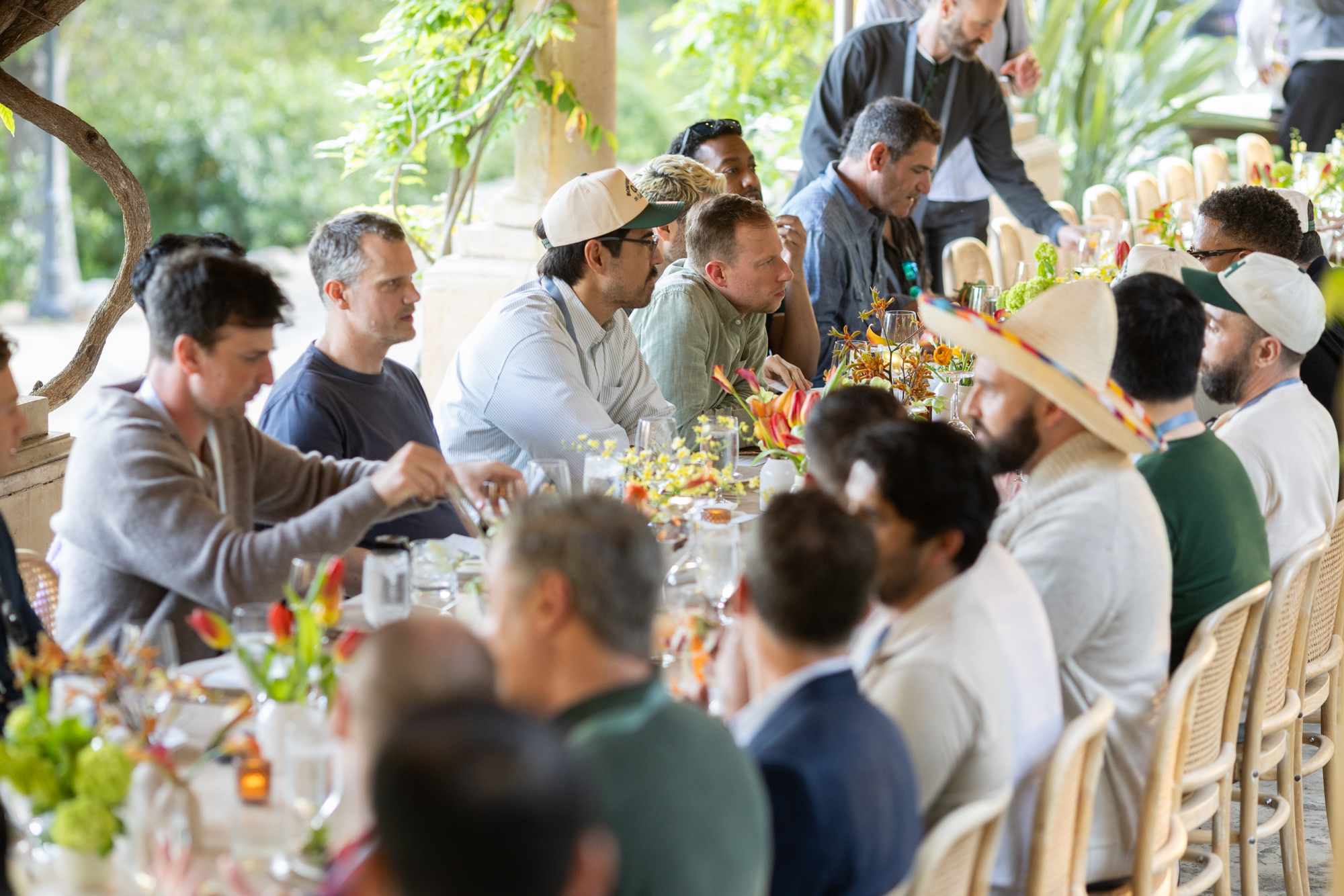
That was the idea behind this year’s Bonfire Founder Summit. We brought together 80 founders from across the portfolio for a few days in Ojai, which felt like the right place for exactly this kind of gathering. There is something grounding about being there, the mountains, the quiet, the slower pace, the feeling of being just far enough away from everything. Honestly, simply getting everyone into that setting felt like a win. From there, our job was to create the space around them, through thoughtful content, great meals, a few fun activities, and enough room for founders to find each other.

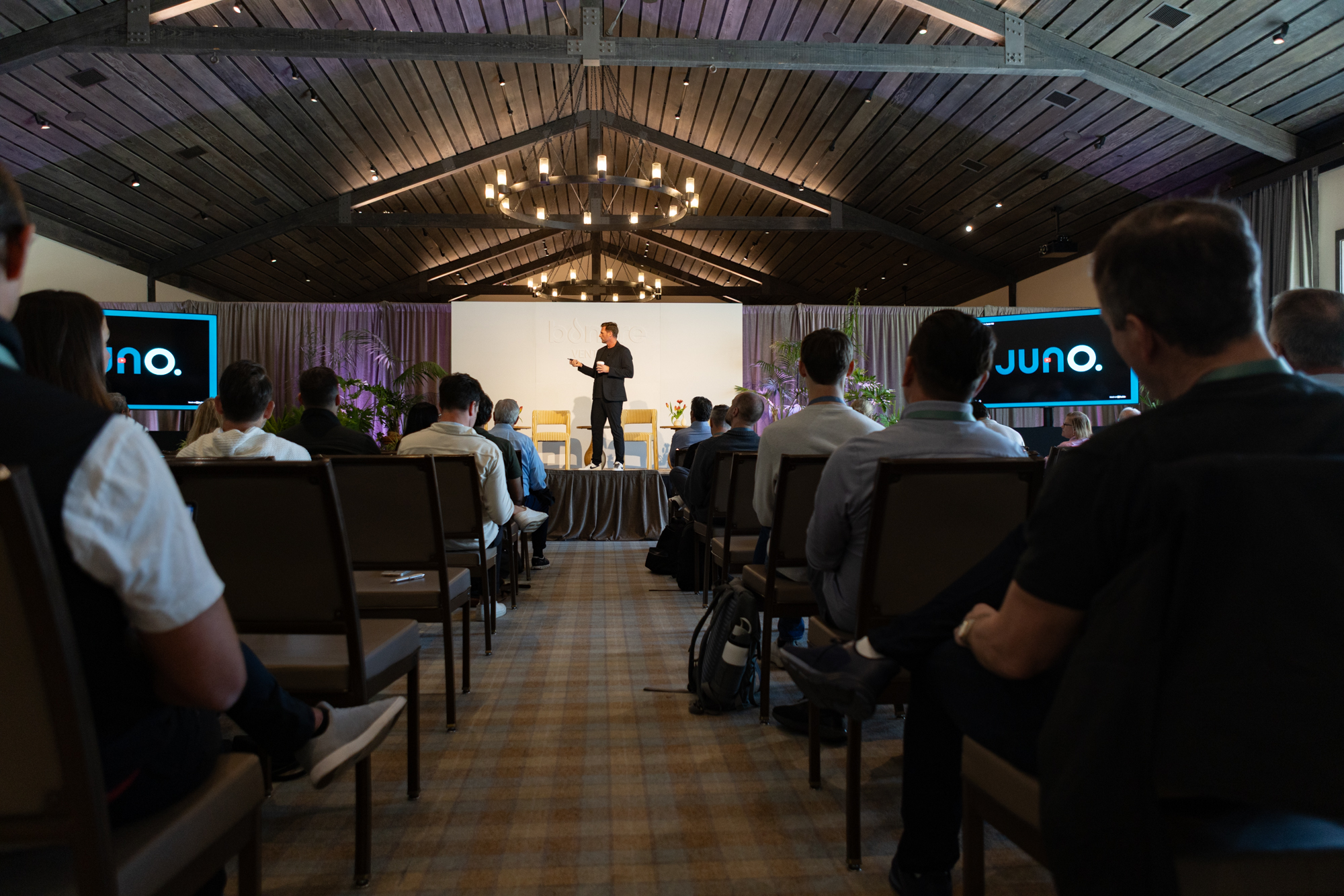
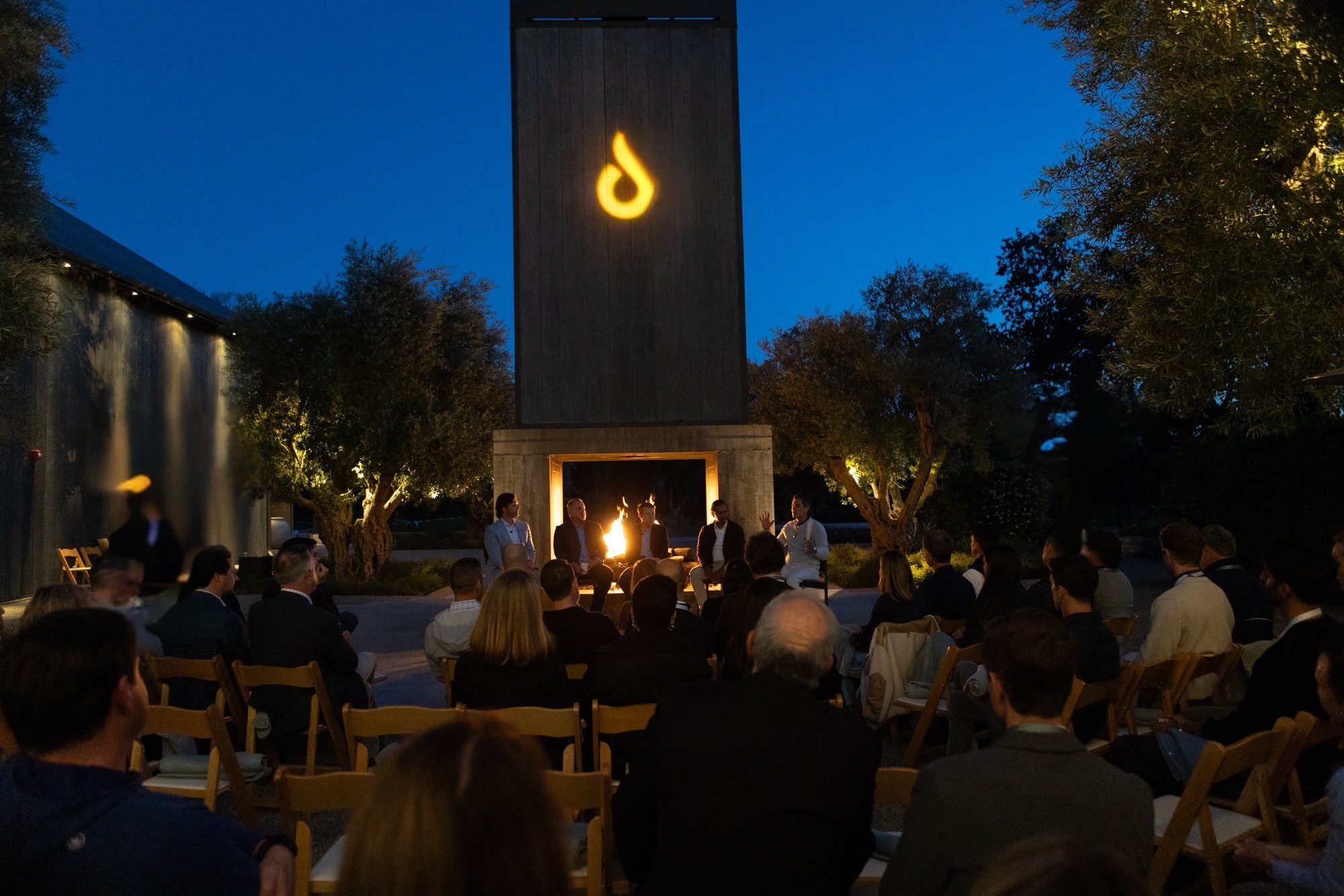
The content helped anchor the days without taking them over. Bonfire’s Brett Queener sat down with Paul Smith, Chief Commercial Officer at Anthropic, for a sharp, candid conversation about what it looks like to build inside one of the most important AI companies in the world right now. The session covered how enterprise buyers are thinking about AI, how go-to-market is changing, what founders should pay attention to, and what it feels like to build a revenue organization at that pace. Part of what made it so good was that it did not feel like a generic “future of AI” conversation. It felt candid, specific, and grounded in what Paul is actually seeing from the front lines.
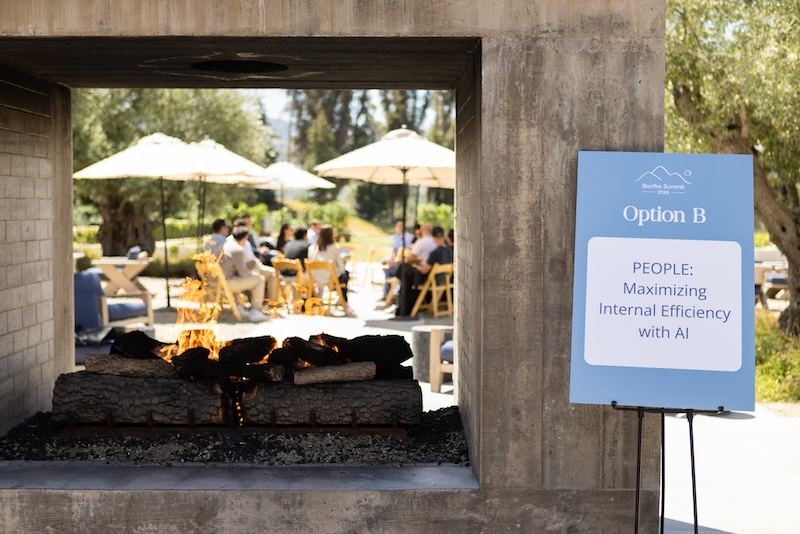
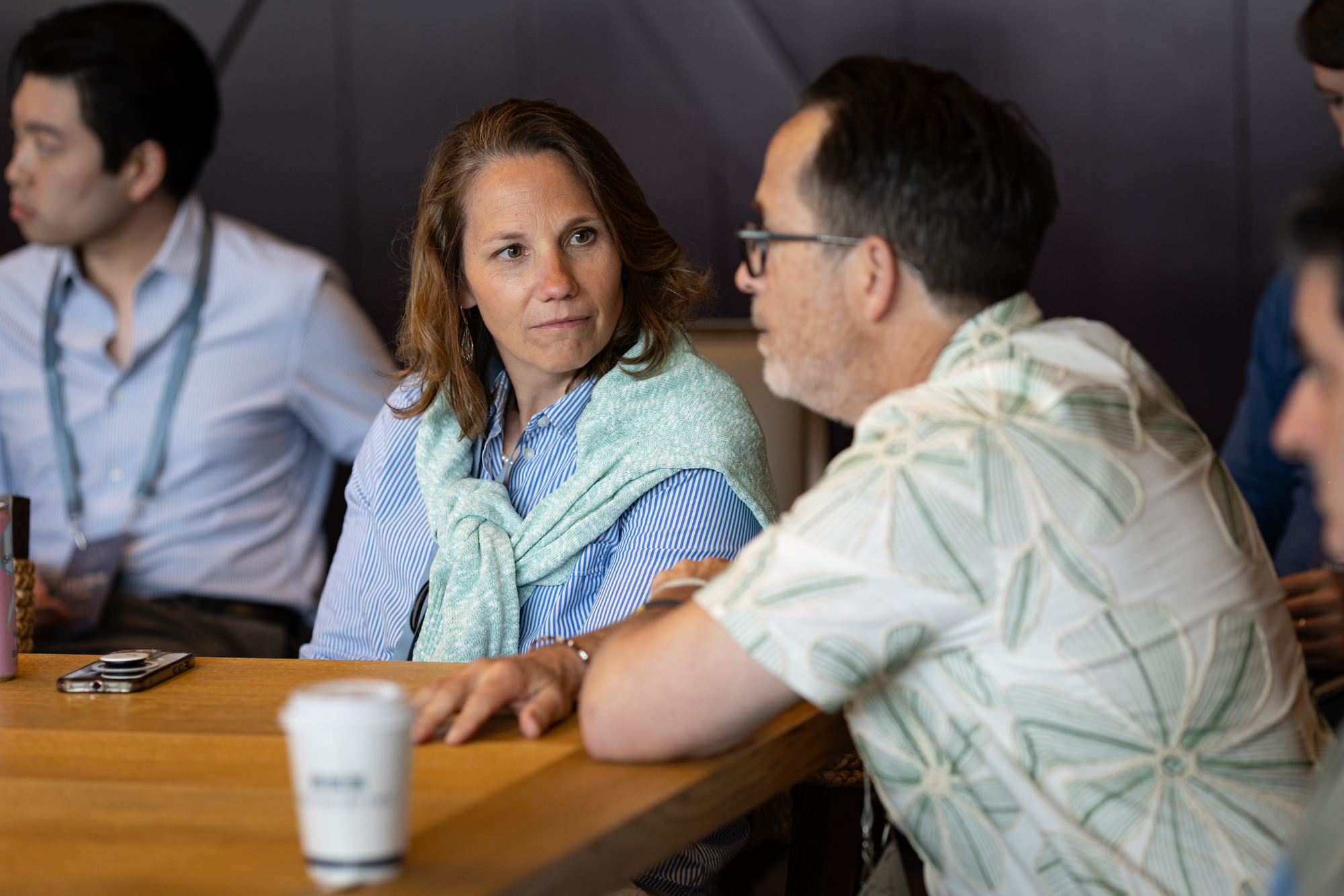
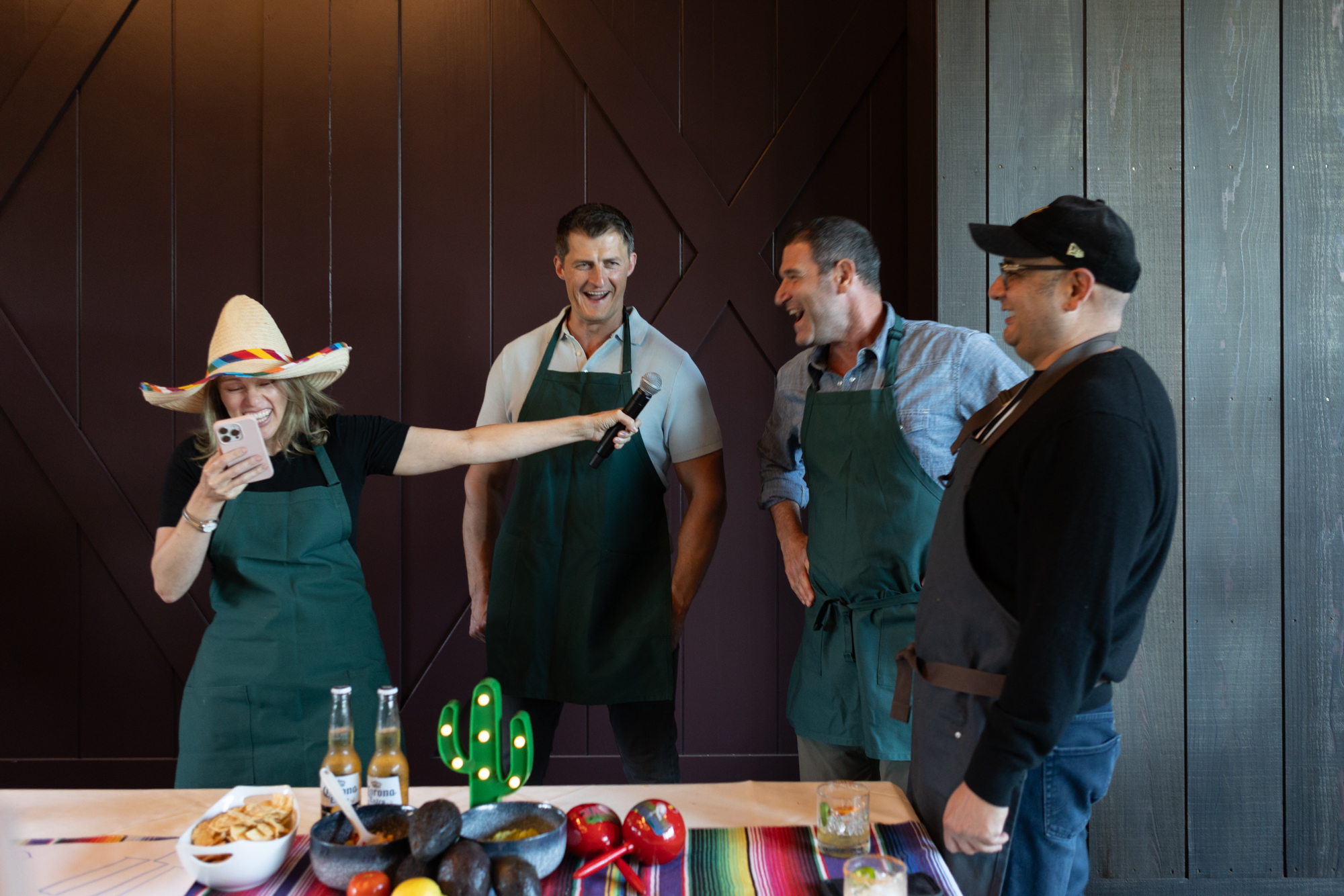
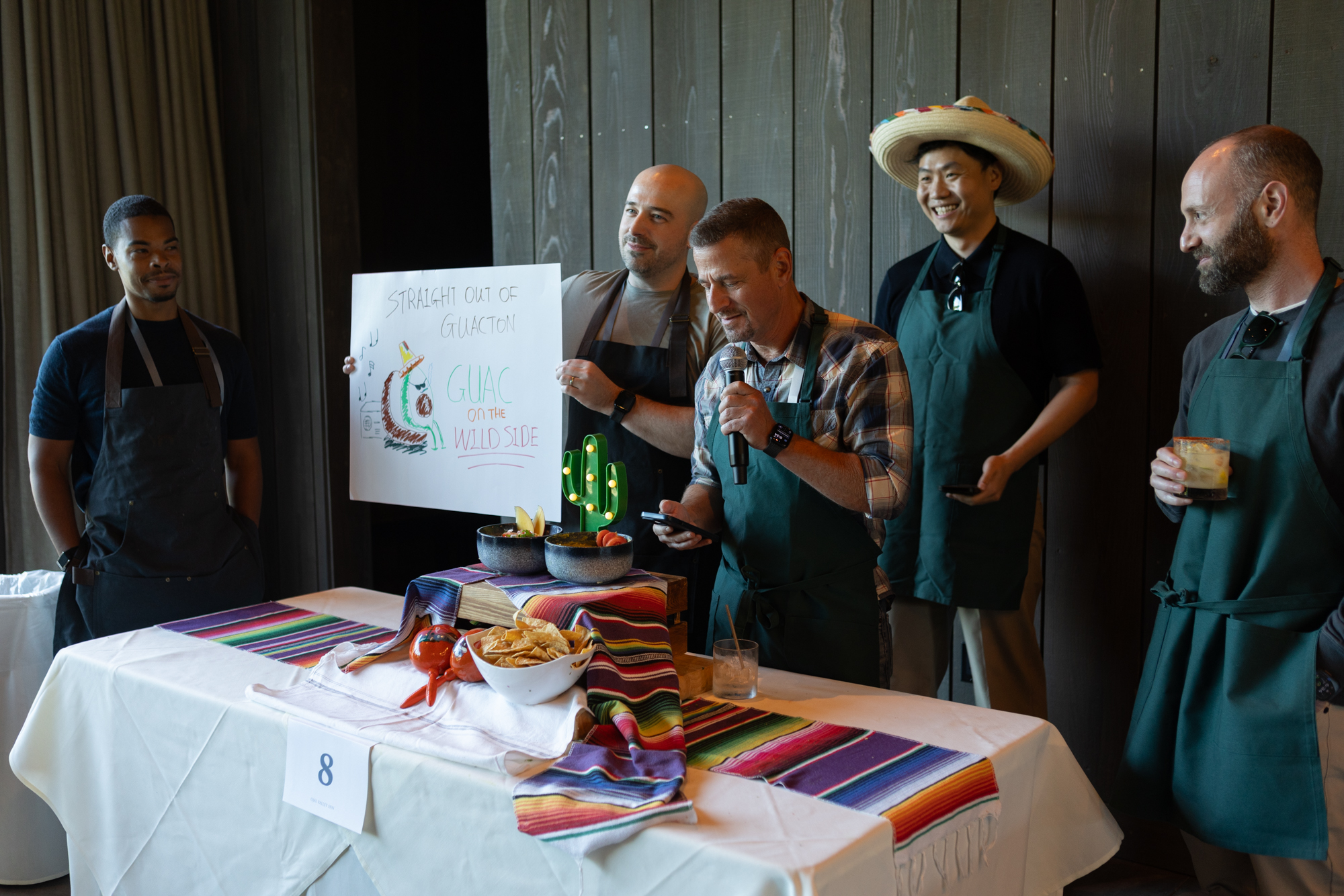
We also spent a lot of time on the questions founders are asking right now around defensibility, product, GTM, hiring, and leadership in the age of AI. Some of those conversations were on stage. Some happened in breakouts. Some happened later over coffee, at dinner, or during the Guacamole Challenge, which somehow became both ridiculous and very serious, as these things tend to do. And some of the best moments were even smaller, like realizing a founder you already knew was wickedly smart from Zoom was also hilarious in person, and could keep his entire end of the table cracking up.
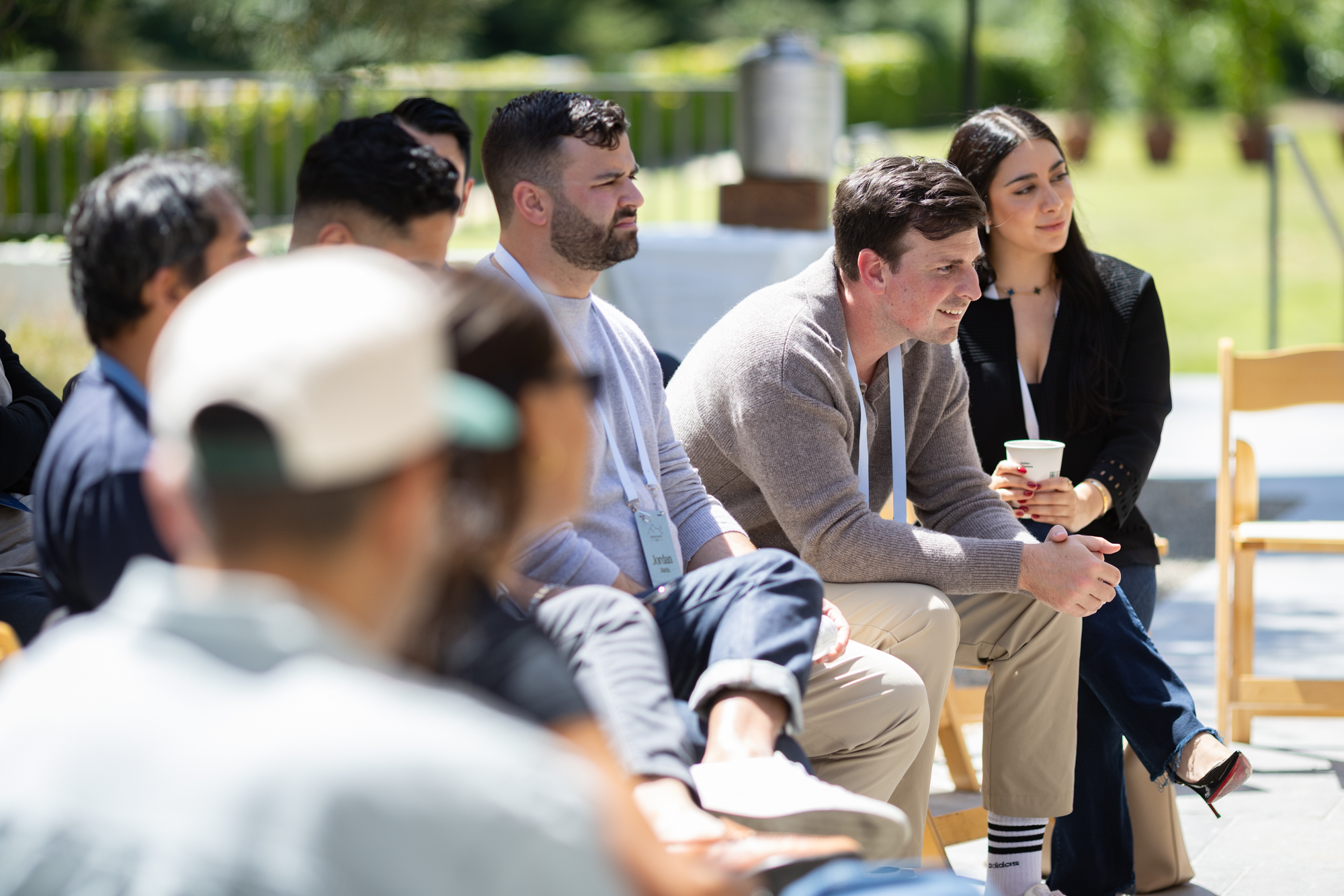
One of my favorite sessions was Maria Iams’ Executive Presence and Storytelling Lab. This hands-on workshop focused on how founders show up in high-stakes moments, which, when you are a founder, is basically every other meeting. A pitch. An all-hands. A customer conversation. An interview. The moments where what you say matters, but how you say it matters just as much.

What I loved about Maria’s session was that it gave founders time to work on something they rarely get to slow down and practice. Presence. Storytelling. How to make a point clearly. How to build a bank of stories you can use with customers and candidates. How to communicate in a way that feels both prepared and human. These are the things founders are doing constantly, but it is rare to have dedicated time to focus only on that muscle.
And that, in a lot of ways, is what made the Summit feel valuable. It was not just “content.” It was time. Time to think. Time to practice. Time to get out of the day-to-day and sit with bigger questions. Time to meet other founders who are wrestling with similar challenges, even if their companies are at different stages or in different markets.
For us, this is the point of community. Not community as a tagline, and not community as another thing on a platform checklist. Community as something you build through shared experience, useful conversations, and the feeling that you are part of a group worth showing up for.
That was the spirit of the Summit. And it was very cool to see it come to life.
{{4col-imgs}}